Table of Contents
Introduction: Typical Limestone Prices in 2026
If you are planning driveways, patios, walkways, drainage systems, or base layers, understanding limestone pricing is one of the first steps toward a realistic budget. Limestone is used for driveways and patio bases across the country, and basic crushed limestone often ranges from $15 to over $50 per ton depending on location, product type, and order size. For delivered driveway or base material in many U.S. regions, a practical planning range is roughly $30–$80 per ton or $40–$100 per cubic yard in 2026.
Actual price can land lower or higher depending on your region, distance from the nearest quarry, order size (2-3 tons versus a full truckload), and the specific limestone product you need. Limestone pricing reflects general market conditions and is not a fixed price, so always confirm current cost per ton or per cubic yard, delivery fees, fuel surcharges, taxes, minimum loads, and material specs with your local supplier. The Crushed Stone Calculator provides free tools to help you calculate cubic yards, tons, and planning-level material cost before you pick up the phone.
Key Factors That Affect Limestone Pricing
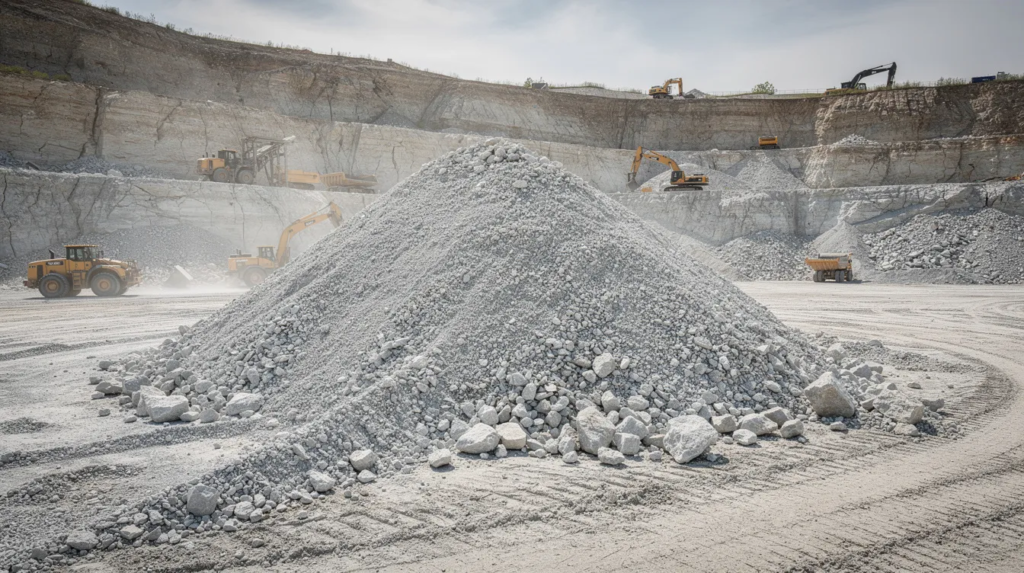
Several factors influence pricing including quality, processing level, and local demand. Limestone is often classified by type, which directly affects its pricing structure. Here are the main cost drivers:
- Quarry location and availability: Proximity to limestone quarries typically lowers overall costs due to reduced transportation fees. Areas rich in limestone deposits, like the Midwest and Southeast, usually see lower material prices. Higher costs for limestone may occur in regions requiring long-distance transportation.
- Delivery distance: Many suppliers include delivery within a base radius of 10–20 miles and add surcharges beyond that. Transportation costs significantly influence limestone pricing due to its weight.
- Order size: Bulk purchases often lead to lower per-ton pricing compared to smaller orders. Full truckloads (8–22 tons) are widely more cost-effective than small 1–3 ton deliveries, which may carry minimum order charges.
- Material type and gradation: Washed versus unwashed, specific sizes (#57, #8, #304, 2–3 inch base rock), and whether the stone includes fines for compaction all affect what you pay. Limestone pricing is highly variable based on processing level and intended use.
- Seasonal demand and fuel costs: Energy and fuel costs impact limestone prices due to their role in mining and transportation. Spring construction season and high diesel prices can temporarily push costs up. Market demand for limestone is affected by infrastructure spending and construction activities.
- Volume discounts: For larger jobs like long driveways, parking pads, or multiple loads, ask suppliers about reduced per-ton rates.
Limestone Pricing by Unit: Per Ton vs Per Cubic Yard
Most U.S. quarries sell crushed limestone by the ton because trucking costs are tied to weight, but some landscape yards quote per cubic yard for retail customers. Prices for limestone vary by type and quantity ordered, so understanding the unit matters.
- Per ton ranges: Common products like #57 clean stone, driveway base mix, and 2–3 inch base rock often fall in the $30–$75 per ton range delivered, depending on distance and load size. For driveway limestone, many homeowners may see delivered quotes somewhere in the broader $30–$80 per ton range, but the final price depends on the material type, quarry distance, delivery fee, minimum load, and local supplier pricing.
- Density for conversion: One cubic yard of crushed limestone commonly weighs about 1.3–1.6 tons. Many planning tools use roughly 1.4–1.5 tons per cubic yard as a standard estimate.
- Translating units: If material costs $45 per ton and density is about 1.5 tons per cubic yard, the per-yard equivalent is roughly $67.50 before delivery.
- Watch the unit: Some suppliers publish both per-ton and per-cubic-yard pricing. Before adding anything to your cart, confirm which unit the quote uses so your calculation stays accurate.
Common Crushed Limestone Products and Typical Uses
Limestone comes in a variety of sizes and products, each suited to different projects. Limestone prices increase with the processing needed for specialty or decorative products.
As a rough planning guide, common bulk crushed limestone products may fall around $30–$80 per ton delivered in many U.S. regions, while small retail, bagged, decorative, or specialty limestone products can cost much more per ton.
- #57 Limestone (~¾” clean stone): #57 limestone is commonly used for drainage layers, French drains, pipe bedding, and some driveway surface applications where clean stone fits the design. Because it is washed and graded, it may cost more than unwashed base material. See our No. 57 Stone Guide for sizing and use details.
- #8 Limestone (pea-size clean): #8 limestone is used for pathways, pipe bedding, concrete-related applications, and some drainage or backfill projects. Washed or screened limestone products may cost more than basic base mixes, especially when bought in small retail quantities. Always compare the quote by the same unit — per ton, per cubic yard, or per bag.
- #411 or #304 Base Mix (with fines): #411 and #304 limestone base mixes are commonly used for driveways, parking pads, and compactable base layers. These blends include fines, so they compact more tightly than clean stone and are often cost-effective for base work. Bulk driveway base material may run closer to common delivered-per-ton ranges than small retail stone orders, but the final price depends on quarry distance, delivery method, order size, and local supplier rates. When compacted, limestone base mix can form a firm, stable layer, but it is not the same as concrete and still depends on proper depth, moisture, grading, and compaction.
- #2 Limestone (2–3″ clean rock): Used for heavy-duty driveways and erosion control. Per-ton cost may be similar to other bulk limestone products, but you often need greater depth.
- Decorative limestone: Tumbled chips, colored stone, or landscape rock for garden beds and landscaped areas usually carries a premium. High-calcium limestone can also command a premium price when controlled chemical composition is required.
- Recycled alternatives: Crushed concrete base can be cheaper than virgin limestone in some areas and may work where local specs allow, but confirm gradation, cleanliness, and suitability before using it under driveways, patios, or drainage projects.
How to Estimate Limestone Quantity in Cubic Yards and Tons
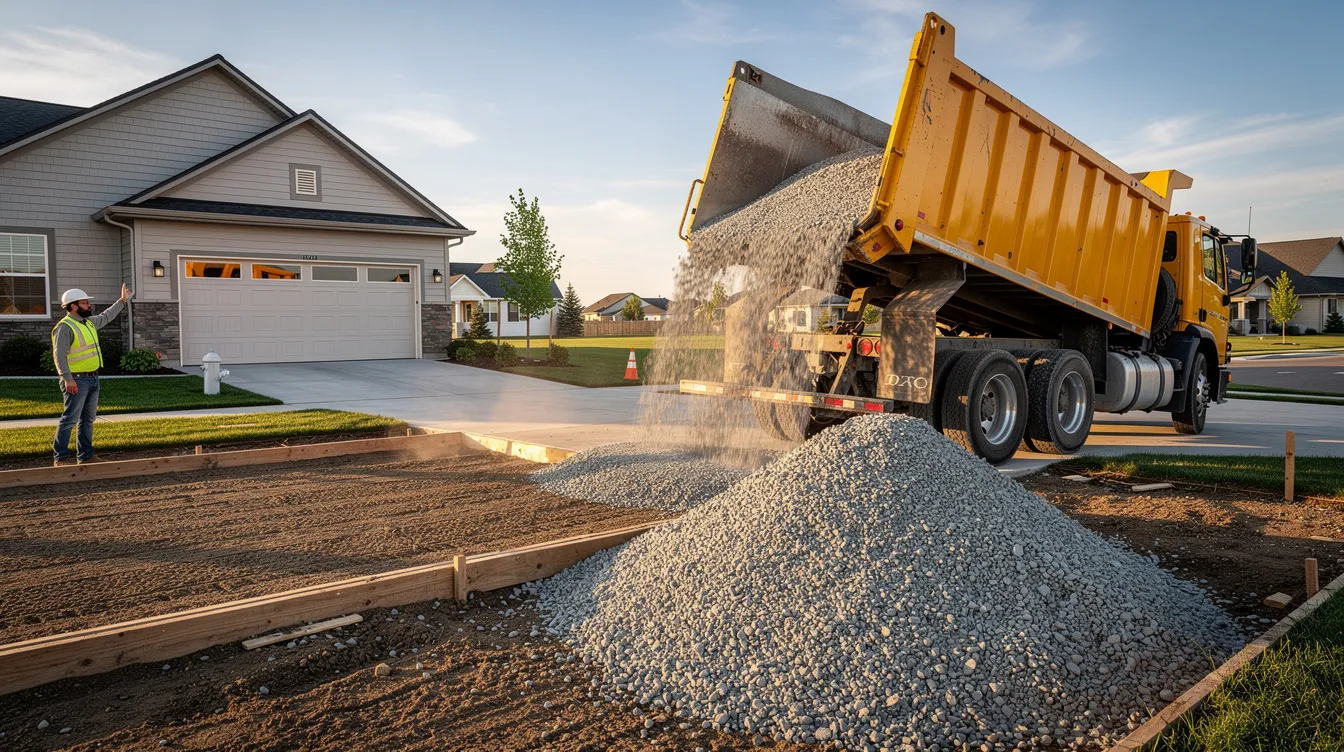
Whether you are building a driveway base, patio pad, or drainage trench, estimating quantity starts with simple measurements:
- Measure project length and width in feet. Note the planned compacted depth in inches (4 inches for a patio base, 6–8 inches for a driveway).
- Convert depth to feet (divide inches by 12). Multiply length × width × depth in feet to get cubic feet. Divide by 27 to get cubic yards.
- Convert cubic yards to tons: multiply by a density factor of roughly 1.4–1.5 tons per cubic yard for standard crushed limestone. Finer screenings and dense-graded mixes can weigh differently than clean stone, so use the supplier’s bulk density when accuracy matters.
- Add a waste factor of 5–10% for spillage, compaction loss, and uneven subgrade.
The Crushed Stone Calculator automates these steps. Just enter your length, width, and depth, click the button, and the tool outputs approximate cubic yards, tons, and optional cost. This is perfect for getting a complete estimate before calling suppliers. For very small jobs (2–3 cubic yards of limestone, sand, or top-coat stone), bagged material may be convenient, but bulk delivery is usually cheaper beyond that.
Calculating Total Limestone Project Cost with Our Calculator
Most users want a ballpark budget before contacting local quarries. Here is a practical workflow:
- Visit the calculator page, select your limestone type or density, enter project dimensions, and let the tool compute cubic yards and tons automatically.
- Plug in your local supplier’s quoted price per ton (for example, $52 per ton for #57 limestone) to get a planning-level material cost. You can also email suppliers for current quotes if pricing is not listed online.
- Add delivery fees, fuel surcharges, and taxes. These may be flat per load or charged per mile beyond a base radius.
- Include a contingency of 5–15% above the estimate for waste, uneven subgrade, deeper low spots, spreading loss, and grading adjustments.
- Compare multiple supplier quotes on a consistent basis using the same unit and density assumptions.
For broader cost context, check our Crushed Stone Cost Per Ton 2026 guide or the Limestone vs Granite Gravel comparison.
Regional Price Examples and Load-Size Scenarios
Regional price variance is common due to local regulations and specifications. Limestone market prices vary by region based on local supply and demand conditions. These examples are illustrative only:
- Small delivery (2–3 tons): In a suburban area, a small load of base limestone might cost $60–$90 per cubic yard delivered because the flat delivery fee is spread across fewer tons.
- Full truckload (10–22 tons): A full load of driveway base delivered within 20 miles of a Midwest quarry might run $35–$50 per ton, but the total invoice is higher because you are buying more material.
- Regional spread: A job in Tennessee near quarries might see $35–$55 per ton for base mixes. A similar job in a coastal or mountain area where stone must be hauled long distances could push delivered #57 limestone above $80 per ton.
- Driveway planning example: A 12 ft × 60 ft driveway (width of 12 feet) with 6 inches of compacted base needs roughly 13.3 cubic yards or about 20 tons. At $45 per ton delivered, that is approximately $900 in material before taxes, delivery surcharges, and contingency, bringing a realistic total closer to $1,100–$1,200. Use our driveway stone size guide for help choosing the right product.
Always obtain up-to-date quotes from local suppliers before committing.
Ordering Tips, Supplier Questions, and When to Recheck Prices
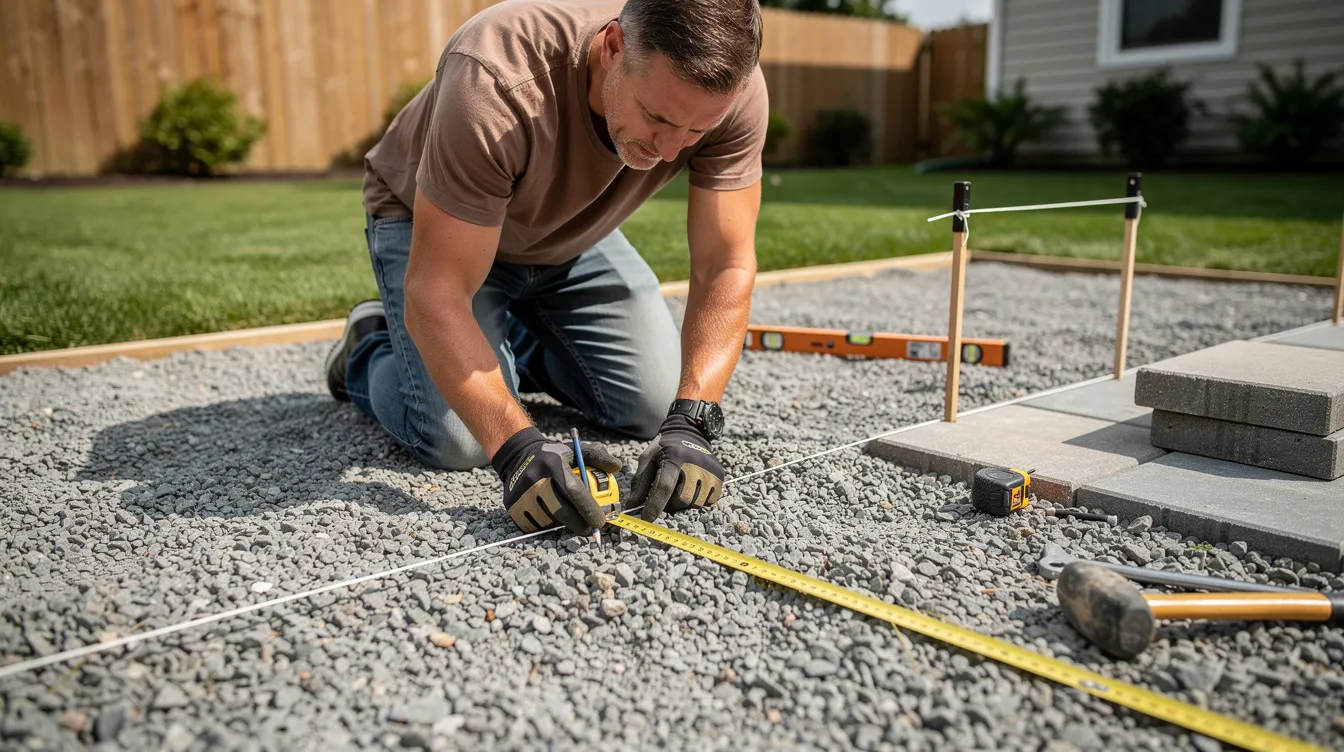
Smart questions help you avoid surprises at time of delivery. Here is what to ask:
- What is your current price per ton and per cubic yard for the exact material I need?
- Is delivery included? What is the base radius, and what are surcharges beyond it?
- What is the minimum order size, and is there a small-load fee?
- Is the stone washed or unwashed? What sizes and fines content are included? Confirm whether the material is angular crushed limestone or rounded gravel.
- Can multiple materials be delivered in separate loads on the same day to save on trucking?
- How long is the quote valid? Fuel costs and seasonal demand may change pricing, so recheck before finalizing large projects.
Start by using the Crushed Stone Calculator to get a realistic quantity and budget estimate. Then contact local suppliers armed with these numbers so you can compare quotes confidently and avoid overpaying on your next driveway, patio, or landscape project.