Table of Contents
Gravel sizes can range from 3/16 inch to 4 inches, and the right gravel depends on its size, shape, and composition. Picking the wrong material means ruts, washouts, or a driveway that falls apart after one winter. This complete guide breaks down the most common sizes, what they’re actually used for, and how to avoid costly ordering mistakes for any construction or landscaping project.
Quick Answer: Best Gravel Sizes for Common Home Projects
Before diving into the details, here’s a cheat sheet. Gravel size affects drainage, compaction, and stability, so matching the right stone size to your project is the single most important material decision you’ll make.
- Gravel driveway (new build): Many long-lasting driveways use a layered system. Larger angular stone such as #3 or #4 may be used for a lower support layer on weak soil, #57 stone can work as a middle, drainage, or surface layer where it fits the design, and crusher run or road base is commonly used where a compacted, firm driving surface is needed. The best layer order depends on soil, drainage, traffic, slope, climate, and local supplier recommendations.
- Driveway resurfacing: #57 stone or crusher run, 2″–4″ deep.
- Walkways and loose gravel patios: Pea gravel, fine crushed stone, or decorative gravel can work over a compacted crusher run or road base layer, with edging to help keep loose gravel contained. For paver patios, follow the paver manufacturer’s base, bedding, and joint material specifications.
- French drains and trench drains: Clean, washed #57 stone or similar free-draining gravel is commonly used around perforated pipe, but pipe size, trench depth, fabric, slope, and outlet location depend on the drainage design.
- Shed pads and parking pads: Crusher run or ¾” crushed stone, compacted 4″–6″ deep.
- Garden beds and decorative landscaping: Pea gravel, river rock, or crushed granite in ⅜”–1½” range.
#57 stone is commonly used for driveway surfaces, drainage layers, and French drains, but it does not compact like crusher run or dense-graded road base with fines. #3 gravel is primarily used as a base layer for driveways and roads. Crusher run is effective for creating a smooth, compact surface. Pea gravel is commonly used for decorative landscaping and drainage.
You can plug your chosen gravel size and project dimensions into our Gravel Calculator to estimate cubic yards, tons, waste factor, and optional cost. For broader crushed stone projects, the Crushed Stone Calculator can also help with planning-level estimates. Keep in mind that actual naming and gradations may vary by supplier and region, so always confirm the exact stone size range with your local quarry or landscape yard.
Why Gravel Size Matters
The choice of gravel size impacts drainage, stability, and aesthetics across every outdoor project. Gravel sizes influence the load-bearing capacity and drainage performance of whatever you build, and selecting the correct gravel size is essential for long-term results.
Drainage: Clean, open-graded gravel such as #57 stone or larger base stone usually lets water pass through more easily than dense-graded material with fines. Finer materials with stone dust or sand compact tighter but hold more moisture. Smaller gravel sizes compact better for stable surfaces, while larger gravel sizes improve drainage in construction projects.
Compaction and stability: Angular gravel and crushed gravel in the ¾” range with fines lock together well for base layers, creating a solid base under load. Very large stone alone can shift without an intermediate layer. Very small gravel can pump or rut under vehicles.
Comfort and surface feel: Smaller, smoother pea gravel is comfortable underfoot but can be hard to roll carts on. Medium gravel around ½”–¾” often balances traction and comfort on driveways and walkways.
Maintenance: Using the wrong gravel size can lead to maintenance issues like ruts, washouts, and tracking stone into the house. Correct sizing reduces how often you need to regrade or add more materials. The “best” size always depends on project type, local soil conditions, and climate.
How Gravel Sizes Are Labeled in the U.S.
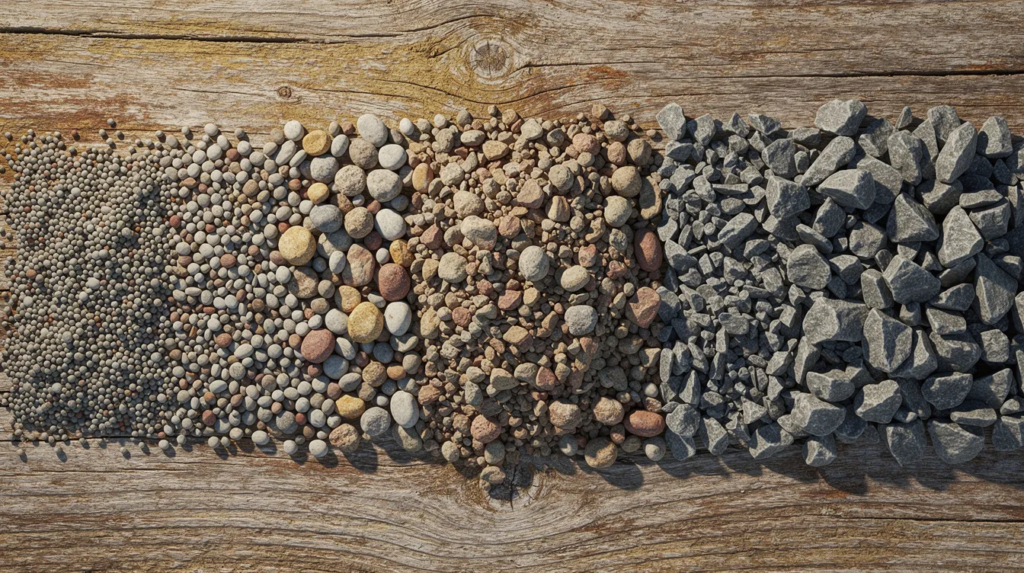
Crushed stone is commonly classified by numbered grades in the U.S. Suppliers use designations like #3, #57, #67, and #8 based on AASHTO and ASTM aggregate gradation standards. Gravel is categorized by size using a numbering system where lower numbers indicate larger stone sizes in gravel classification. Gravel grades are categorized by particle size.
The most common sizes include:
- #57 stone: Ranges from 1 inch to 3/8 inch in size, with most pieces around ¾”. One of the most common types for driveways and drainage.
- #3 stone: Approximately 2″–3″ nominal. Coarse gravel used for deep base layers.
- #8 stone: About ⅜”–½”. Used for concrete mixes and thin asphalt layers.
- #10 stone dust or screenings: Fine material used in some local applications, but it is not the right bedding or joint material for every paver system. Follow the paver manufacturer’s base, bedding, and joint material specifications.
- Pea gravel: The typical size for pea gravel is about 3/8 inch, though pea gravel ranges from ¼ inch to ½ inch in size. These are rounded stones, not crushed.
- Crusher run: ¾” minus blend of crushed stone and fines, commonly used for road base and driveway surfaces.
Gravel is classified by sizing for distinct structural or aesthetic purposes, and common gravel sizes are categorized by their typical applications. The Udden-Wentworth scale classifies gravel from 2mm to 64mm, though most U.S. suppliers use inch-based labels instead. Gravel grades affect compaction, drainage, and stability differently depending on the gradation.
The same name can mean slightly different sizes in different states or quarries, so always ask your supplier for the nominal size range in inches before ordering.
Crushed Stone vs Natural Gravel vs Crushed Gravel
Understanding different types of gravel starts with three categories:
Crushed stone is mechanically broken from solid rock-limestone, granite, or traprock. The angular rocks interlock well, making crushed stone ideal for base layers, driveways, and road base. Common sizes include #3, #57, #8, and stone dust. For a deeper comparison of rock types, see our Limestone vs Granite Gravel guide.
Natural gravel consists of rounded stones shaped by water or glacial action. Common gravel types include river rock and marble chips. River gravel and pea gravel fall here. River rock is used in landscaping for drainage and decorative borders. These materials offer strong aesthetic appeal but less structural interlock than angular alternatives.
Crushed gravel is natural gravel that has been mechanically crushed to create more angular pieces. Recycled concrete and asphalt millings are separate recycled aggregate products and should be ordered by their specific name. Some crushed gravel blends with fines can compact similarly to crusher run, depending on gradation and supplier specs.
When to choose each: Pick angular crushed stone or crushed granite for driveways and structural base layers. For French drains, use clean, washed, free-draining stone that matches the drainage design and local supplier recommendation. Choose rounded pea gravel or river rock where comfort and appearance matter more-seating areas, garden beds, water features, and dry creek beds.
Gravel and Tire Size Categories: From Fines to Large Stone
Thinking in size “bands” helps before dealing with exact stone numbers.
Fines and screenings (¼” minus): Very small particles used in some local applications, but paver bedding and joint material should follow the paver manufacturer’s specifications.
Small gravel (pea gravel, #8, #9 – ⅜”–½”): Good for decorative purposes, some walkways, dog runs, and around fire pits. Offers a smooth texture and comfortable feel. #8 stone is also used for concrete mixes and thin asphalt layers.
Medium gravel (#57, #67 – ½”–1″): The most versatile size range for gravel driveways, parking lots, base layers over larger stones, and some drainage applications.
Large gravel and small cobbles (#3, #2 – 1½”–3″+): Larger stones over 2 inches suit drainage or erosion control. Large gravel is typically used for heavy-duty stabilization and erosion control in muddy areas, swales, and ditches.
Most gravel products are a mix within a size range, not single-size pebbles, and each range behaves differently when compacted or exposed to heavy rain.
Gravel Sizes for Driveways: The Three-Layer System
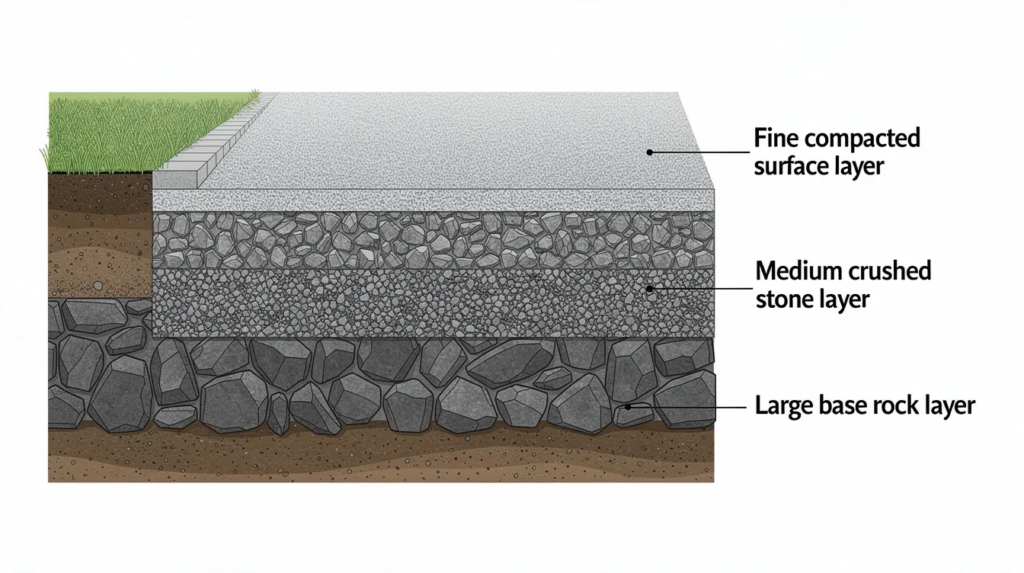
Many long-lasting gravel driveways use a layered system, especially where soil is weak, drainage is poor, or traffic is heavier.
- Base layer (4″–6″): Large stone such as #3 or #4 (2″–3″). Larger gravel sizes like #1 or #2 are also used for base layers on particularly soft soils.
- Middle layer (3″–4″): Medium crushed stone like #57. #57 crushed stone is often used as a standard aggregate size. #57 stone is known for drainage and load distribution, but it does not compact tightly like crusher run or dense-graded aggregate with fines.
- Top layer (2″–4″): Crusher run or fine angular gravel. Gravel mixed with fines compacts into a firm base for a drivable, stable surface.
Light-use or resurfacing projects may skip the deepest layer and use a single layer of #57 stone or crusher run over compacted soil. For help sizing each layer, try our driveway gravel calculator.
Choosing the Right Gravel Size by Driveway Type and Traffic
Expected use strongly influences the right size gravel:
- Light residential driveways: Often use #57 stone or ¾” crusher run. A thin base of larger stone helps if soil is soft. #57 stone is commonly used for drainage and some driveway layers, but the right choice depends on soil, slope, traffic, base design, and local supplier recommendations.
- Heavy-use or farm driveways: Need a thick base of #3 or #4 stone, topped with #57 and a fine surface layer. Angular crushed stone handles heavy trucks better than pea gravel.
- Sloped driveways: Perform better with angular crushed gravel or crushed granite that resists rolling and washouts. Avoid pea gravel on slopes.
- Resurfacing: #57 stone or similar medium gravel fills ruts and restores grading without rebuilding the full base.
Pea Gravel vs Crusher Run for Driveways
This is one of the most common homeowner decisions for driveway surfaces:
Pea gravel offers high aesthetic appeal in multiple colors. It’s comfortable to walk on but tends to shift under tires, especially on slopes. Finer gravel tends to migrate and may require edging for stability. It works best on flat, well-contained driveways with a compacted base beneath.
Crusher run (¾” minus with fines) compacts into a firm, smooth surface that handles vehicles well. It accepts grading and crowning to shed water and is commonly used for primary driveways where durability matters more than looks.
Use pea gravel mainly for low-speed, decorative, well-contained areas. For primary driveways, crusher run or dense-graded road base is often better where a firm compacted surface is needed, while #57 stone can work where drainage or a clean stone layer fits the driveway design.
Gravel Sizes for Drainage and French Drains
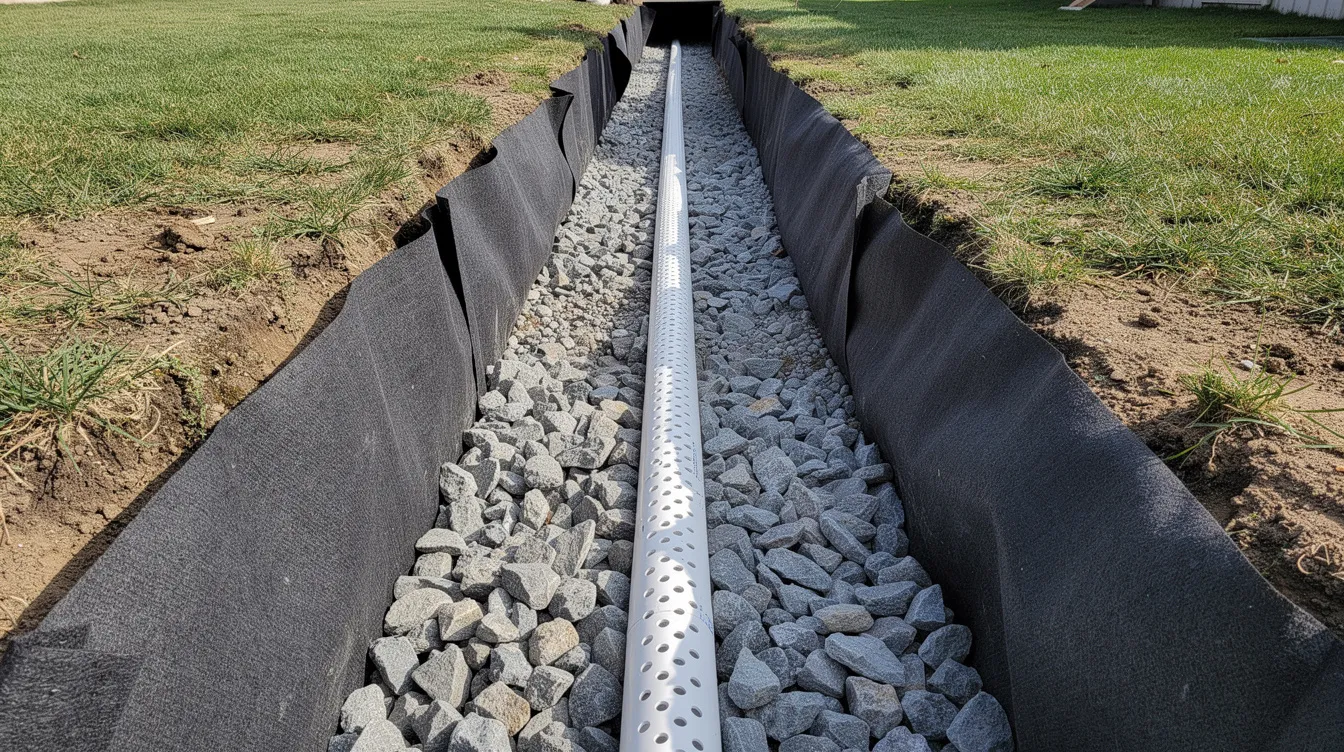
Drainage stone should prioritize water flow and prevent clogging. Clean, washed gravel is commonly preferred for drainage systems because it lets water move more freely than gravel with fines.
- French drains: Commonly use clean #57 stone (around ¾”) or similar clean gravel around perforated pipe, wrapped in filter fabric.
- Downspout extensions and dry wells: Often use #57 or #8 stone depending on trench size. Larger stone at the bottom with medium gravel above encourages infiltration.
- Swales, ditches, and erosion control: May require larger #2–#3 stone (2″–3″ range) in high-flow areas for erosion control. Retaining walls near drainage zones may also benefit from clean gravel backfill.
Local building codes, frost depth, and soil type all affect the ideal drainage gravel size and configuration.
Gravel Sizes for Patios, Walkways, and Shed Pads
These surfaces need a balance of compaction, drainage, and comfort.
- Walkways: Pea gravel (⅜”) is comfortable but may shift; it needs edging and a compacted base. Fine to medium crushed stone with some fines creates a firmer walking surface.
- Gravel patios: Often use ⅜”–½” pea gravel or decorative gravel over a compacted base. About 2″–3″ of surface gravel provides good coverage and appearance.
- Shed pads: Usually built with ¾” crushed stone or crusher run compacted to form a level, solid base. A total depth of 4″–6″ is suitable for most small structures.
Gravel Sizes for Landscaping, Gravel Bike, and Aesthetic Appeal
Many homeowners choose gravel primarily for looks in garden beds, borders, and around hardscape features.
- Decorative pea gravel: Typically ⅜” rounded stone in natural, white, or colored varieties. Ideal around seating areas, fire pits, and planting beds. Deeper installations (2″–3″) keep underlying fabric covered.
- River rock and larger decorative stone: Common sizes from ¾” to 3″. Used in dry creek beds, around water features, and as mulch alternatives. Provides bold visual impact in any landscaping project.
- Path and border accents: Medium gravel or crushed granite (½”–¾”) can outline beds, patios, or walkways with clean visual edges for strong aesthetic appeal.
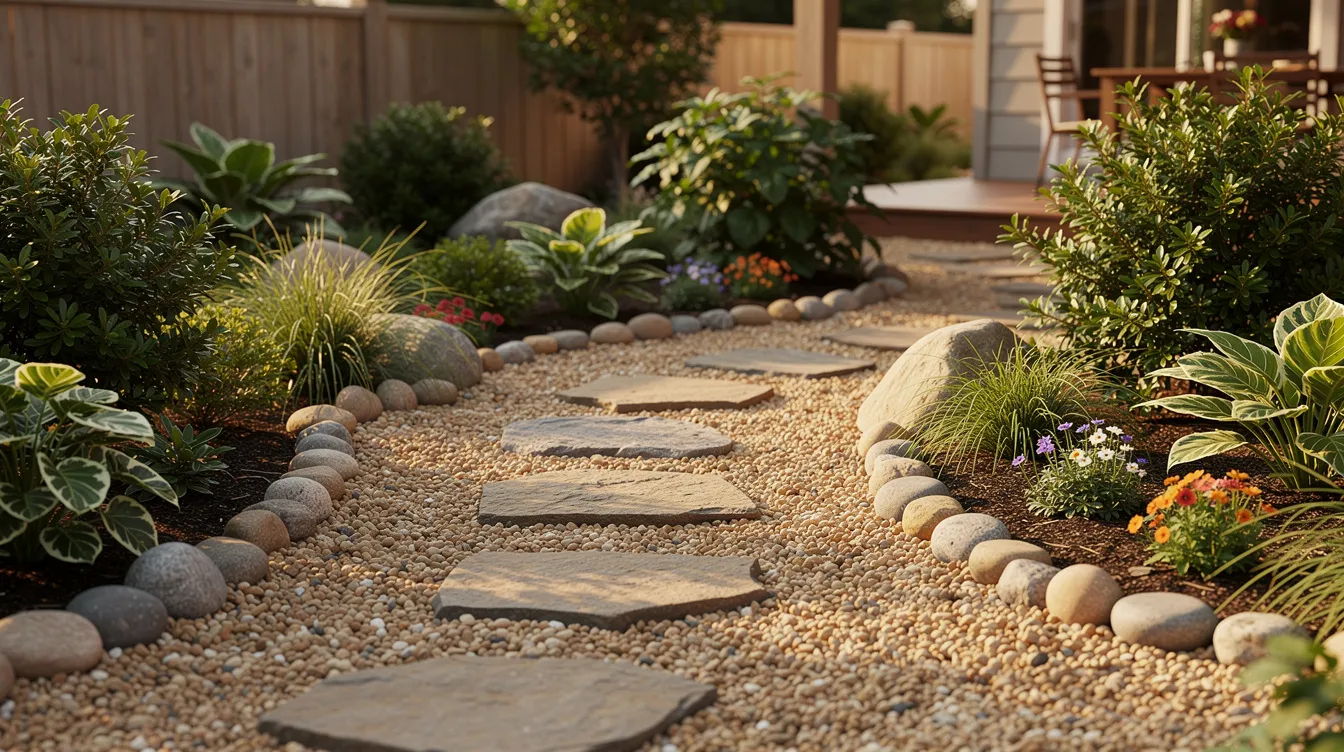
Here’s how the most common sizes stack up for different types of projects:
- #3 stone (2″–3″): Heavy-duty base layer stone. Not comfortable as a surface for walking. Suitable for road construction subbase and deep drainage.
- #57 stone (¾”): One of the most versatile stone sizes. Good balance of load-bearing and water flow. Works above larger base rock for driveways and drainage.
- #8 gravel (⅜”–½”): Smaller angular stone for top layers, utility pipe bedding, or concrete mixes.
- Pea gravel (⅜”): Smooth, rounded, popular for decorative purposes. Best for low-slope, contained areas due to its tendency to roll and spread. Small gravel like this works well for decorative paths, contained walkways, garden borders, and areas where a crunchy walking surface is acceptable.
Regional Variations and Supplier Specs
Gravel names and gradations often differ between states, DOT standards, and suppliers. The same label-“crusher run” or “driveway gravel”-can contain different size blends depending on the quarry. Some areas favor limestone; others supply mostly crushed granite or traprock.
Always ask for the nominal size range in inches, request a product sheet if available, and confirm whether the gravel is clean (no fines) or contains fine material for compaction. Our tools give planning-level estimates using typical U.S. densities, but final purchase decisions should be checked against local specs.
How Much Gravel of the Right Size Do You Need?
Required quantity depends on gravel size, planned depth, and project footprint. Larger stone requires more depth to lock together-4″–6″ for a #3 base versus 2″–3″ for a #57 surface layer. Different sizes have slightly different densities; clean #57 stone runs approximately 1.40 tons per loose cubic yard.
Rough guidelines:
- Residential driveway: 8″–12″ total compacted depth across all layers
- Walkway or patio: 3″–4″ compacted base plus 2″ surface gravel
- French drain: commonly 6″–12″ of clean, free-draining gravel around the pipe, but trench width, stone depth, pipe size, filter fabric, slope, and outlet location should follow the drainage design and site conditions.
Add 5–10% extra for waste, compaction, and grading adjustments. Use our Gravel Calculator to input dimensions and estimate cubic yards, tons, waste factor, and optional cost. For broader crushed stone projects, the Crushed Stone Calculator can also help with planning-level estimates.
Common Mistakes When Choosing Gravel Size
- Using only pea gravel for a driveway base: Rounded, small stones rut and slide without angular gravel beneath. Rock fragments need sharp edges to interlock.
- Going too large on the surface: #3 stone on top is difficult to walk and drive on and may damage low-clearance vehicles.
- Skipping the base layer on soft soils: Thin medium gravel over clay leads to sinking and potholes within the first season.
- Ignoring drainage: Choosing tightly packed crusher run where water already pools can trap moisture and accelerate failure.
- Not confirming local specs: Ordering “driveway gravel” sight unseen may deliver a mix of different sizes that doesn’t match your project needs.
Using the wrong gravel size can lead to maintenance issues that cost more to fix than the original project. Save time and frustration by checking our guides and calculators before ordering.
Using the Gravel Calculator to Plan Your Gravel Project
Our tools are built for U.S. homeowners, DIYers, landscapers, and small contractors planning with real numbers. You can enter dimensions, choose a material or custom density, add a waste factor, and estimate cubic yards, tons, and optional cost.
Separate guides cover crushed stone sizes and density, gravel driveway depth recommendations, and drainage gravel sizing. All outputs are planning-level estimates — confirm final gravel size, gradation, and tonnage with your local supplier or contractor.
The right stone size can save time, money, and a weekend of rework. Try a few different gravel sizes and layer depths in the calculator to compare cost and coverage before you commit to a truck delivery.
Use the Gravel Calculator for gravel-size estimates, and use the Crushed Stone Calculator for broader crushed stone planning.