Table of Contents
If you are planning a driveway, patio base, or landscaping project this year, one of the first questions you will run into is: how much does crushed stone actually cost per ton? The answer depends on where you live, what type of stone you need, and whether you are picking it up yourself or having it delivered. This guide breaks down realistic 2026 planning ranges so you can build a working budget before calling suppliers.
Key Takeaways
- In many U.S. areas in 2026, bulk crushed stone often runs roughly $20 to $55 per ton for common driveway and base materials. Many online cost guides place common crushed stone roughly in the $15 to $50 per ton range, while decorative or specialty stone can run much higher.
- The per ton price depends heavily on stone type – crushed limestone, crushed granite, crushed concrete, gravel mix, and stone dust all carry different price bands – along with local quarry competition and whether the quote is for pickup or delivered.
- Delivery and fuel surcharges can easily add $5 to $20+ per ton, so a material-only quote of $25 per ton might land closer to $40 per ton by the time it reaches your driveway.
- Crushed Stone Calculator offers free online tools that let you estimate tons needed and multiply by a local price per ton to build a project budget.
- Treat all numbers in this article as rough ranges for 2026 planning, and confirm the current cost of crushed stone per ton with two or three nearby suppliers before you order.
How Much Does Crushed Stone Cost Per Ton in 2026?
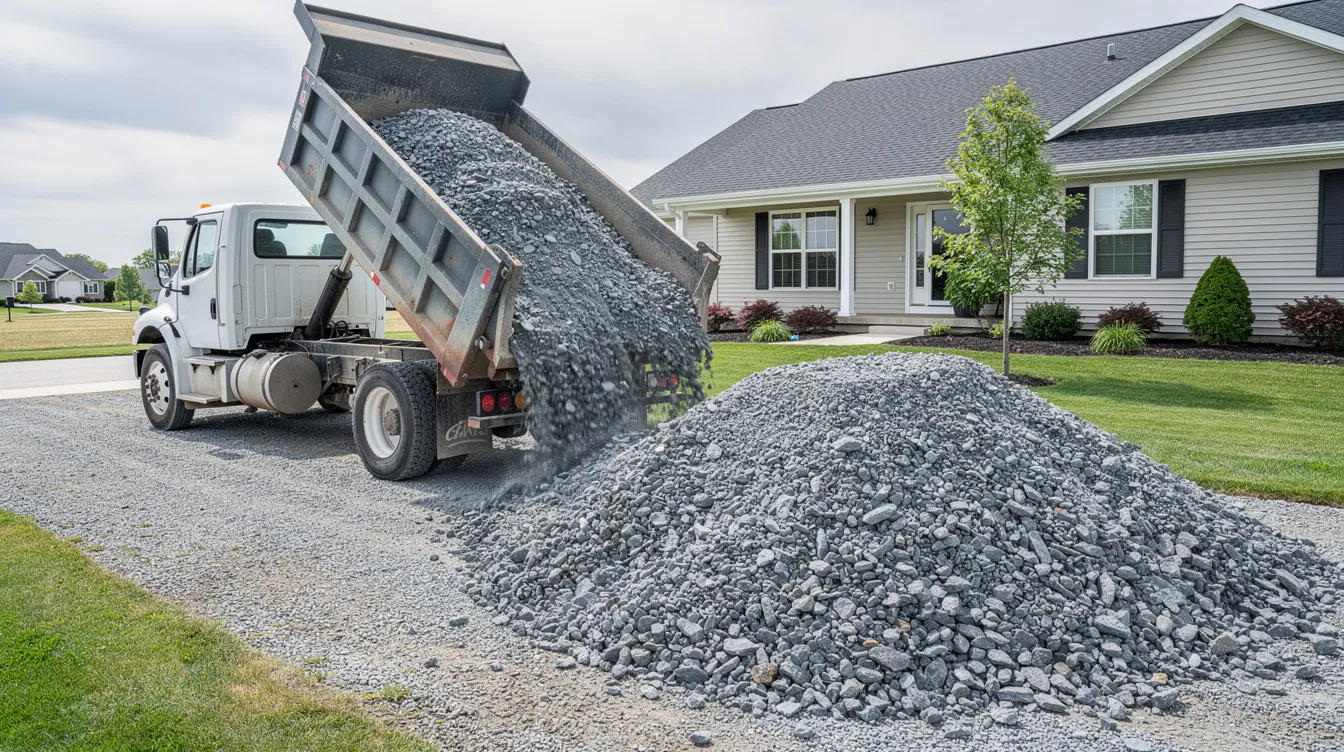
In many parts of the U.S., the cost of crushed stone per ton for driveways, patios, and base layers typically runs somewhere around $20 to $55 as a planning range. Crushed stone costs $10 to $50 per ton on average, depending on type and location.
Some recycled materials, like basic crushed concrete or simple gravel mix, can come in under $20 per ton in areas close to quarries. On the other end, decorative stone or specialty aggregates can exceed $75 to $100 per ton. Pricing for decorative stones often exceeds $30 to $60 per ton even for relatively standard products.
These are estimate-safe ranges gathered from typical U.S. supplier listings and contractor quotes, not a guaranteed national price list. Actual quotes may be higher or lower depending on your location, supplier, season, and order details. Pricing is usually quoted per ton for bulk deliveries of 10 to 25 tons, and can be significantly higher for small one- or two-ton orders. In some markets, a full truckload of gravel can cost $1,350 or more including delivery, but the final price depends on material type, truck capacity, delivery distance, fuel charges, and local supplier pricing.
Use our crushed stone price guide or crushed rock price guide for broader pricing comparisons, then multiply by your estimated tonnage for a working budget number.
Typical Cost Per Ton by Crushed Stone Type
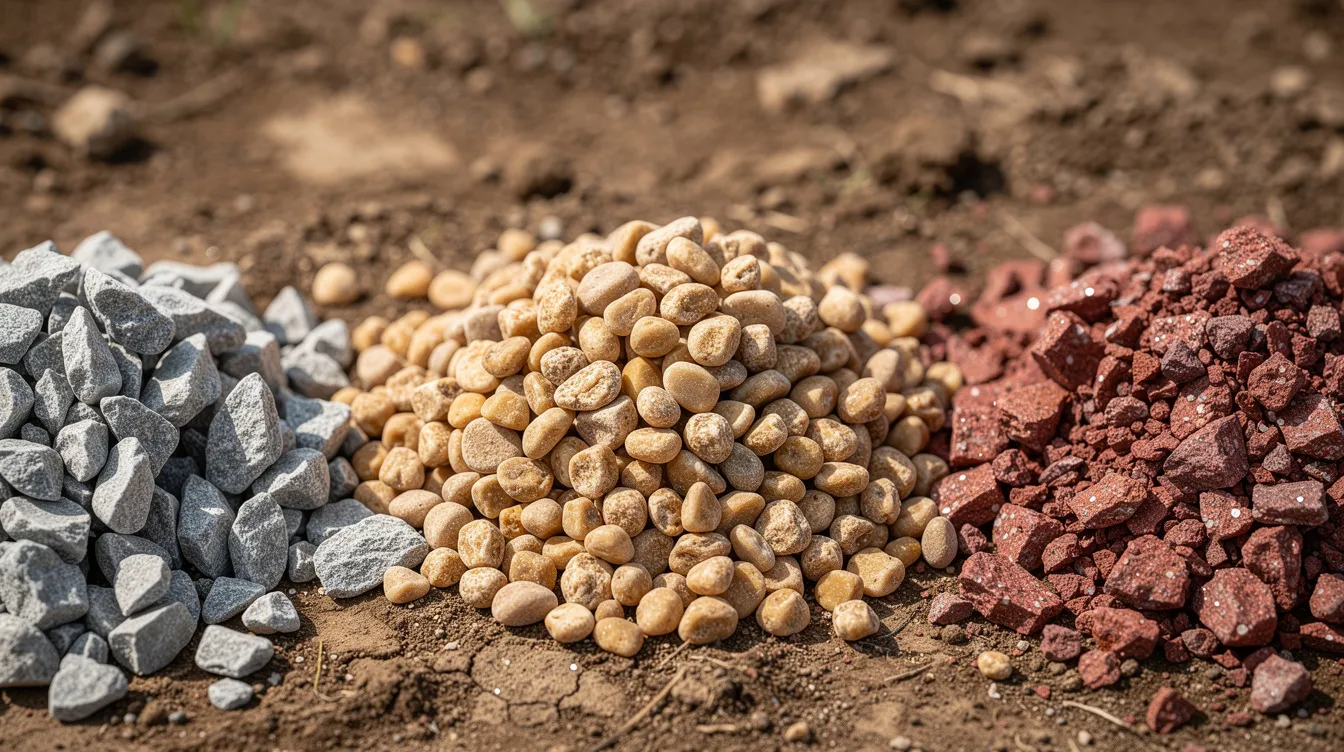
Different materials carry different price bands, even when all are sold per ton. Here are rough 2026 planning ranges for the most common options:
- Crushed limestone – Bulk crushed limestone for driveways and base layers in many regions often falls roughly $30 to $38 per ton. Softer rocks like limestone are usually cheaper than harder rocks like granite due to lower operational costs. Dense-grade mixes sometimes called 3/4 minus or crusher run limestone tend to sit on the lower half of that band. For a deeper comparison, see our limestone vs granite gravel guide.
- Crushed granite – Crushed granite used for paths, patios, and landscaping beds often runs about $25 to $50 per ton in many markets. Specialty colors or very fine gradations push toward the higher end. Higher operational costs increase prices for harder rock types like granite.
- Crushed concrete – A recycled option that can often be found in the $11 to $53 per ton range for base material. Recycled concrete aggregate is often priced lower than virgin quarried stone, making it a popular choice for thick fill layers where appearance does not matter.
- General crushed stone blends and gravel mix – Products labeled as road base, 3/4 minus, or class 5 gravel mix commonly range from about $18 to $31 per ton. Base materials like crusher run generally range from $15 to $30 per ton.
- Stone dust and screenings – Stone dust or screenings, used as a paver or patio bedding layer, often cost roughly $20 to $40 per ton. Smaller orders are sometimes priced higher due to handling minimums.
- Plain pea gravel – Pea gravel costs $28 to $45 per ton and is a popular choice for walkways, playgrounds, and drainage beds. A ton of pea gravel covers roughly 40 to 50 square feet at 4 inches deep.
- River rocks – Decorative river rock costs $45 to $130 per ton depending on size and color. This falls into the premium category alongside marble chips and colored granite, where aesthetics drive the price more than volume.
- Road base gravel – Road base gravel costs $18 to $30 per ton and is typically among the most cost-effective options for driveways and parking pads.
Real-World Per Ton Examples (Estimate-Only)
The following scenarios are fictionalized 2026 planning examples based on typical U.S. quotes. They show how per ton numbers translate into total project cost – not universal prices.
- 5 tons of 3/4″ crushed limestone for a small driveway repair – Supplier quotes $32 per ton for pickup. Delivery adds about $13 per ton on a 15-mile haul, bringing the delivered price to roughly $45 per ton. Estimated materials total: about $225 for pickup vs $350 delivered.
- 20 tons of crushed concrete base – Crushed concrete quoted at roughly $22 per ton with a 20-ton minimum, plus a flat $180 delivery fee. The effective cost per ton delivered ends up around $31 when the delivery fee is spread across the load.
- 8 tons of decorative crushed granite for a patio – Quoted at about $55 per ton plus a $140 delivery charge. Blended cost works out to roughly $72 per ton at the project site.
Local taxes, fuel surcharges, and small-load fees can change the math. Always ask suppliers for a line-item quote showing material price per ton and separate delivery charges.
Key Factors That Change the Cost Per Ton
Two neighbors in different states can pay very different per ton prices for the same crushed stone. Here is what drives the difference:
- Location and quarry distance – Prices vary by location based on the density of local quarries. Areas with multiple nearby quarries and short hauling distances usually have lower per ton prices than remote areas where stone travels 40 to 60 miles.
- Stone type and gradation – Common base stone is usually cheaper per ton than specialized crushed granite, decorative gravel, or very clean washed stone like #57.
- Order size and tonnage – Purchasing in bulk usually reduces the cost per ton. Price per ton often drops for full-truck loads of 15 to 25 tons, while small orders of 1 to 4 tons carry noticeable premiums. Full truckload orders often receive better delivery economics than small partial loads.
- Pickup vs delivered – Published per ton prices are sometimes for quarry pickup only. Adding delivery can raise the true cost at the job site by $5 to $20 or more per ton.
- Fuel prices and seasonal demand – Rising diesel costs, spring road restrictions, and peak-season demand from late spring through early fall can temporarily push per ton prices higher.
- Local regulations and permits – Environmental fees, weight-limit routes, or city delivery permits can indirectly increase the effective cost per ton for the end customer in some regions.
Delivered vs Pickup: Understanding the True Per Ton Cost
Many people compare supplier ads that only show a material per ton number without delivery, then are surprised when the delivered cost per ton is much higher. Transportation costs often exceed the cost of the material itself on smaller orders.
- Pickup pricing – Quarry or landscape yard pickup pricing is typically the base cost per ton. You bring your own truck or trailer and handle loading, transport, and unloading yourself.
- Delivery pricing – Gravel delivery costs $10 to $25 per ton on average. Hauling fees usually add $5 to $30 per ton depending on distance. Some suppliers include delivery within a local radius, while others charge a flat fee, per-mile fee, fuel surcharge, or small-load fee.
- Example comparison – 10 tons of crushed stone at $30 per ton ($300 material) plus a $150 delivery fee means the true delivered price is $45 per ton when the delivery is averaged into the total.
- Short vs long hauls – Many suppliers include a small delivery radius of 10 to 20 miles in their base delivery fee and then add a per-mile charge for longer drives, which increases the per ton cost for distant sites.
Always ask for quotes that clearly separate material per ton and delivery so you can compare different suppliers fairly. Confirm whether quoted prices are for 2026 pickup or delivered to your street address.
How to Estimate Your Project’s Crushed Stone Cost Per Ton
A simple three-step process gives a solid budget starting point before calling suppliers:
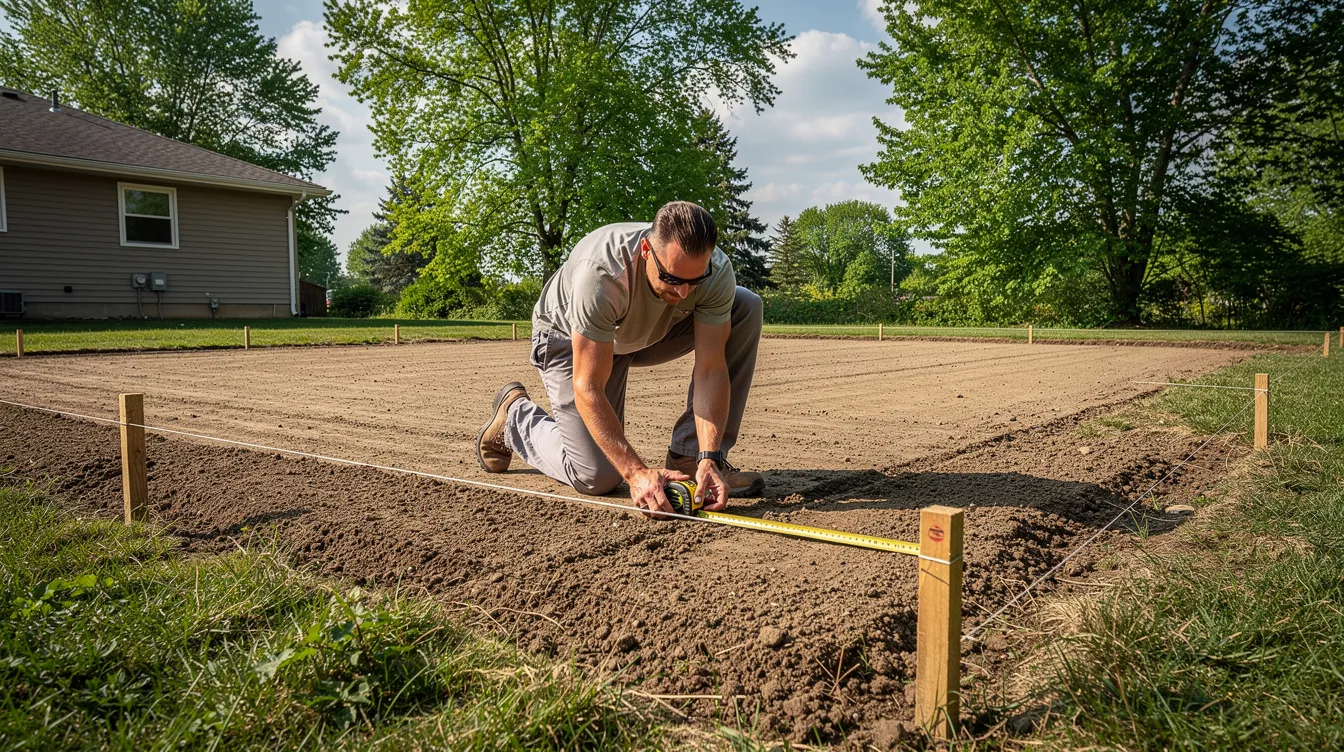
- Measure your project area – Measure length and width in feet for driveways, patios, or beds. Decide on a planned stone depth, typically 4 inches or 6 inches for most base layers.
- Convert to cubic yards and tons – To calculate cubic yards, multiply length, width, and depth (in feet), then divide by 27. One cubic yard contains roughly 1.4 to 1.5 tons of stone. Use the Crushed Stone Calculator to handle the conversion automatically. Add 5 to 10 percent for waste and compaction. You can also factor in moisture, since wet stone weighs more at the scale.
- Apply a local per ton price – Multiply your estimated tons by a planning per ton number based on early phone calls or supplier websites.
Example: A 12-foot by 50-foot driveway at 4 inches deep requires roughly 7.4 cubic yards, or about 10 to 11 tons of material depending on density. At $30 per ton that is about $300 to $330; at $45 per ton it is about $450 to $495; at $60 per ton it is about $600 to $660 before delivery. Running what-if scenarios with different depth or material price helps you understand how project cost shifts before committing. Gravel costs $55 to $65 per cubic yard on average, which provides another way to cross-check estimates.
Using Crushed Stone Calculator to Plan Per Ton Costs
Crushed Stone Calculator is a free, neutral planning tool for homeowners, landscapers, and small contractors across the U.S. The calculator accepts project dimensions in feet, lets you choose a material type – crushed stone, crushed limestone, crushed granite, crushed concrete, gravel mix, or stone dust – and then estimates cubic yards and tons.
You can optionally enter a local cost per ton so the tool shows an estimated material cost line item. Just click calculate after you enter your length, width, and depth. The calculator uses typical density values for each material, but actual delivered weight can vary by moisture, compaction, and quarry source, so results are best viewed as planning estimates.
Print or save the output, then call two or three local suppliers to compare the real-world cost of crushed stone per ton, delivery fees, and any minimum-order requirements.
Common Per Ton Questions for Different Crushed Stone Products
Many users search for cost per ton for specific materials and sizes, so here is high-level guidance for the most common products:
- 3/4″ crushed stone per ton – A very popular driveway and base size that often falls within the mid-range of typical crushed stone prices. Budget it slightly higher than generic road base but lower than premium decorative stone. See our guide on which crushed stone size is best for a long gravel driveway for help choosing.
- Stone dust per ton – Stone dust and screenings used under pavers as a bedding layer are usually priced similarly to or slightly below the companion crushed stone they come from. Sand is sometimes substituted but compacts differently.
- #57 stone per ton – No. 57 stone (roughly 1-inch washed stone used for drainage and septic systems) is typically a bit more expensive than dense-grade base material because it is washed and graded. Expect a modest upcharge per ton vs crusher run.
- Crushed concrete vs natural stone per ton – Crushed concrete often undercuts equivalent natural crushed stone by a noticeable margin per ton, especially for thick base layers where you need to install a lot of material quickly. Availability varies by region.
- Gravel mix and road base per ton – Mixed gravel base products are usually among the most cost-effective per ton for driveways, parking pads, and areas around trees, mulch beds, or weed barriers. They are often sold with minimum-load discounts when ordering 10 to 25 tons.
FAQ
Is it cheaper to buy crushed stone by the ton or by the yard?
Both ton and cubic yard pricing are common in the U.S. For most projects they work out similarly because one cubic yard of compacted crushed stone typically weighs about 1.4 to 1.5 tons. Gravel costs $55 to $65 per cubic yard on average, which lines up with common per ton pricing once you do the conversion. Use our calculator to convert everything to one unit so you can compare supplier quotes on an apples-to-apples basis. Some landscape yards use yard pricing for small customer pickups and ton pricing for full dump-truck deliveries.
How many tons of crushed stone do I need for a 2-car driveway?
A typical 2-car driveway of roughly 20 feet by 40 feet with 4 inches of compacted stone base often needs about 14 to 15 tons of crushed stone, depending on density and compaction. At 6 inches deep, the same driveway may need roughly 20 to 22 tons. This is only a ballpark figure – plug your actual length, width, and depth into the calculator for a more precise estimate. If you are adding both a base layer and a separate top layer of clean stone, total tonnage will be higher because each layer has its own thickness.
Does the cost per ton change if I order multiple stone types?
Many suppliers price each material separately per ton, so ordering crusher run base plus #57 stone plus stone dust usually means separate per ton rates for each product. If all materials come from the same quarry on one truck, some suppliers may offer a blended delivery fee, but the material price per ton still reflects the individual product. Ask whether mixing products in one load affects minimum tonnage requirements or delivery pricing.
Are there extra fees on top of the per ton price I should expect?
Common add-ons include fuel surcharges, environmental fees, small-load fees, weekend delivery premiums, and extra charges for difficult site access like a steep grade, soft ground, or tight turns. Ask each supplier to spell out all possible fees in writing via email or an itemized quote page so you understand your true per ton cost delivered to your property. Taxes may also apply depending on your state and project type.
How often do crushed stone prices per ton change?
Crushed stone prices can change several times a year as fuel costs, labor, and demand shift. Many suppliers review pricing seasonally or when diesel prices move significantly. If you are planning a project for later in 2026, confirm current per ton prices within a few weeks of ordering rather than relying on older estimates that may have been picked up months ago. Treat online ranges as planning guides only and always confirm a current written quote before scheduling installation or delivery.