Table of Contents
Choosing the right base material can make or break a driveway, parking pad, or patio project. This guide covers what 1 inch minus gravel actually is, where it works best, how to install it, and how to estimate the quantity you need before calling your local supplier.
Quick Overview: What Is 1 Inch Minus Gravel?
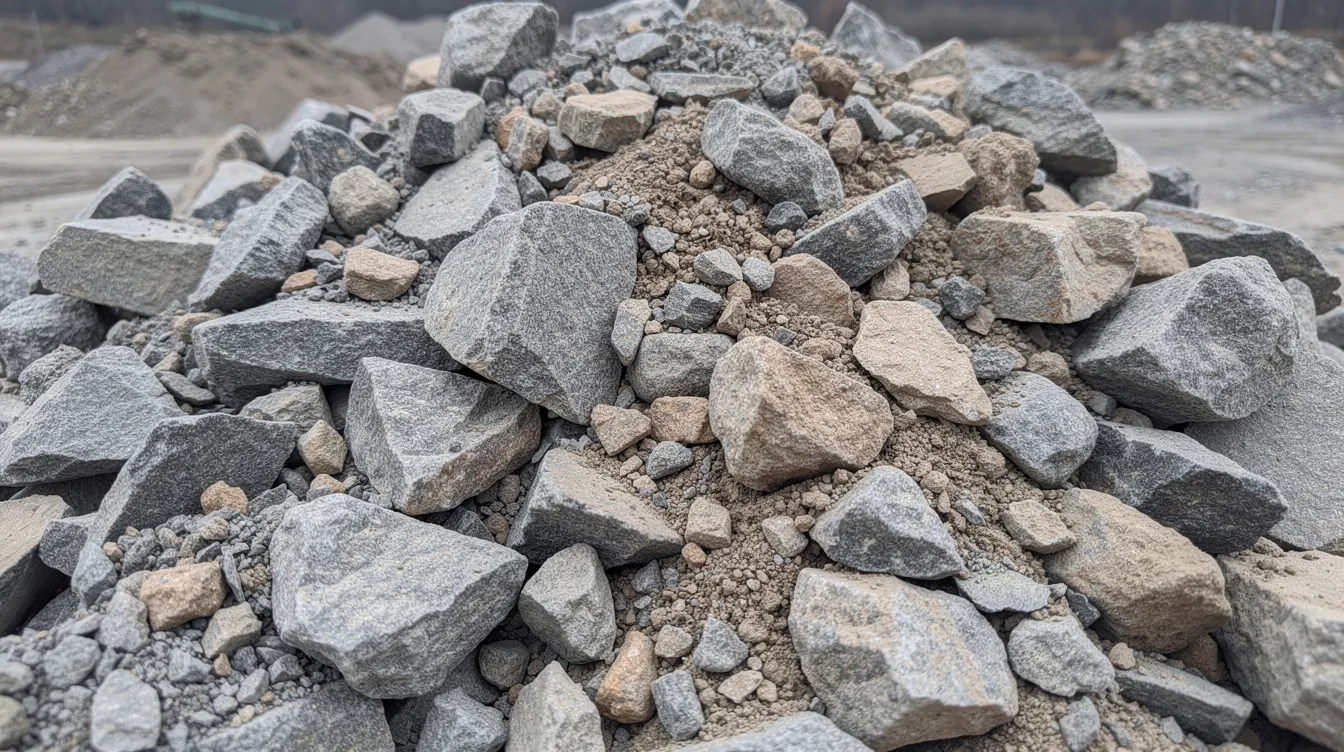
The terms “1 inch minus gravel,” “1 inch minus rock,” “1 minus gravel,” and “1 minus rock” are general trade names, not one exact national product. They typically refer to a crushed aggregate consisting of stones ranging from 1 inch down to fine dust. That means 1 inch minus gravel includes pieces 1 inch or smaller, combined with stone fines that help the material compact into a dense, stable layer.
Gradation, fines content, and rock type vary by quarry and region. Some suppliers crush limestone, others use granite, basalt, or even recycled concrete. The color can range from gray to brown depending on the source stone. Because of these variations, homeowners should always confirm local specs before ordering.
This kind of minus gravel is commonly used where compaction and stability matter. It is useful in both construction and landscaping projects, and 1-inch minus gravel is often called road base by suppliers in many parts of the U.S. Common applications include driveway base layers, road base for private roadways, parking pads, shed pads, and base courses under pavers or concrete.
The free Gravel Calculator on CrushedStoneCalculator.com can estimate cubic yards, tons, and cost for 1 inch minus gravel before you contact local suppliers.
Material Basics: Minus Gravel vs Clean Gravel
The term “minus” in aggregate means the product contains all particles up to a stated top size, plus fines. With 1 inch minus rock, you get angular crushed rock in a mix of sizes from roughly 1 inch down to dust-like screenings. The presence of fines in 1-inch minus allows the material to lock and compact tightly, making it suitable for structural base layers.
Clean or washed gravel is the opposite: most fines have been screened or rinsed out. Products like #57 stone or 3/4″ clean gravel drain faster because the open voids between stones let water pass through freely.
Key difference: 1-inch minus is less permeable than washed or clean gravel because the fines occupy spaces between larger stones. It packs down tightly, providing a solid surface, but 1-inch minus gravel is not ideal for projects requiring maximum drainage due to those same fines.
Related products include 3/4″ minus (a finer gravel option for top layers), 4 minus road base for heavier construction material needs, and 3″ minus for large-scale access roads. Keep in mind that terminology is regional – the same pile might be called “crusher run,” “road base,” or “1 inch minus gravel” depending on the supplier. Always check the screened gradation before you choose.
Best Uses for 1 Inch Minus Gravel in Home Projects
This is a versatile base material for many U.S. residential projects when local soil, drainage, and traffic conditions support its use. 1 inch minus gravel is great for driveways and walkways where a compactable, durable surface is needed.
Driveways and roadways:
- Works as a compactable base layer over subgrade for new gravel driveways
- Serves as a middle layer under finer gravel like 3/4″ minus or 3/8″ chips for the top layer
- Functions as part of a multi-layer road base in rural or private lanes
For help choosing the right size, see Which Crushed Stone Size Is Best for a Long Gravel Driveway.
Under concrete and pavers:
It is often used as a base layer for patio stones and patios. For paver walkways and pathways, final leveling is typically done with sand or screenings over the compacted minus gravel.
Parking pads and shed pads:
This product provides structural backfill where ground settling must be minimized, making it suitable for trailer pads, RV pads, and small outbuilding foundations. Proper depth and thorough compaction are essential to reduce rutting.
1 inch minus gravel packs down tightly for stability and can allow some drainage while helping reduce weed growth in many applications. It can also help reduce runoff compared to fully impervious surfaces such as concrete or asphalt when properly installed. However, 1 inch minus gravel may not be sufficient as the only base material for heavy equipment or frequent truck traffic, so deeper base sections or engineered specifications may be needed for high-load areas. Climate, freeze-thaw cycles, soil type, slope, and expected load all affect whether this product is appropriate – local suppliers or contractors should confirm suitability.
Planning, Depth, and Installation Tips for a Stable Base
Here is practical, step-by-step guidance for installing 1 inch minus gravel as a base for driveways, pads, and similar projects.
Subgrade preparation:
- Excavate to a depth for base rock and gravel, stripping sod and organic topsoil
- Compact the native soil and address soft spots, erosion issues, or standing water
- Lay landscape fabric to prevent weed growth where appropriate
Typical depth ranges:
| Project Type | Compacted Depth |
|---|---|
| Light-use walkways or paths on firm soil | 3–4 inches |
| Residential driveways and parking areas | 4–6+ inches |
| Shed pads and trailer pads | 4–6 inches minimum |
| Weak or clayey soil conditions | 8–10+ inches |
Local building codes and frost depth may require greater base thickness. Retaining walls and adjacent structures also affect how you create the base design.
Placement and compaction:
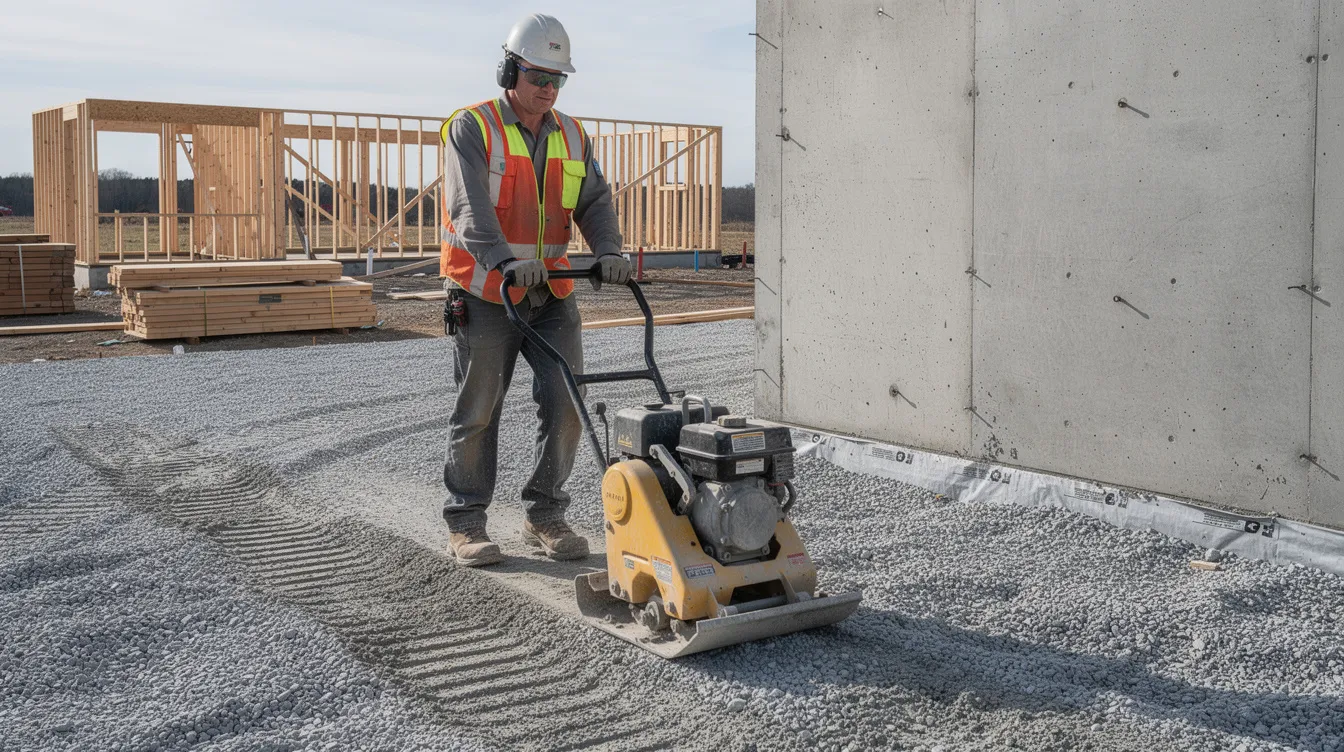
Place 1 inch minus gravel in 2–3 inch lifts. Spread gravel evenly for a stable surface, then compact gravel thoroughly with a plate compactor or roller before adding the next lift. Lightly moisten each layer to help fines settle and pack into place, but avoid muddy conditions that reduce compaction quality.
Edging and drainage:
Use edging to keep gravel contained – timber, metal, or concrete curbing all work. Slope the surface 1–2% away from structures so water drains properly.
These are general homeowner-level tips, not engineered specifications. For heavy equipment access or projects in challenging soil, follow engineered plans or local road base standards.
Estimating Quantity and Cost with Crushed Stone Calculator
Accurate quantity estimates help avoid short loads, extra delivery trips, and overspending. The Gravel Calculator on CrushedStoneCalculator.com makes this straightforward:
- Enter your project area (length and width) and planned compacted depth in inches
- Choose the closest material type for 1 inch minus gravel, or enter a custom density from your supplier
- Review outputs in cubic yards, cubic feet, estimated US tons, waste factor, and optional cost
Density of 1 inch minus rock typically falls around 2,400–2,500 lb per cubic yard but varies by rock type and fines content. For context on how limestone vs granite gravel affect weight and prices, check that comparison guide.
Ordering tips:
- Add a 5–10% waste factor to your quantity for uneven subgrade, minor material loss, and installation adjustments.
- Ask suppliers about minimum delivery loads, fuel surcharges, and small-order fees
- Confirm whether the quote includes taxes and delivery
Cost guidance:
Per-ton or per-yard pricing varies by region, rock type, and distance from the quarry. It is affordable and readily available in bulk from most U.S. quarries. For broader pricing context, see Crushed Stone Cost Per Ton 2026. Always request written quotes specifying the product name, gradation, and whether delivery is included. Customers should treat all calculator results as planning estimates and confirm final quantity and material selection with their local supplier before placing an order.