If you are planning a French drain, driveway, patio, or walkway, you have probably seen “clean stone” on supplier price lists. This guide from Crushed Stone Calculator explains what clean stone actually is, where it works best, where it falls short, and how to estimate the right quantity before you order.
What “Clean Stone” Means in Real-World Projects
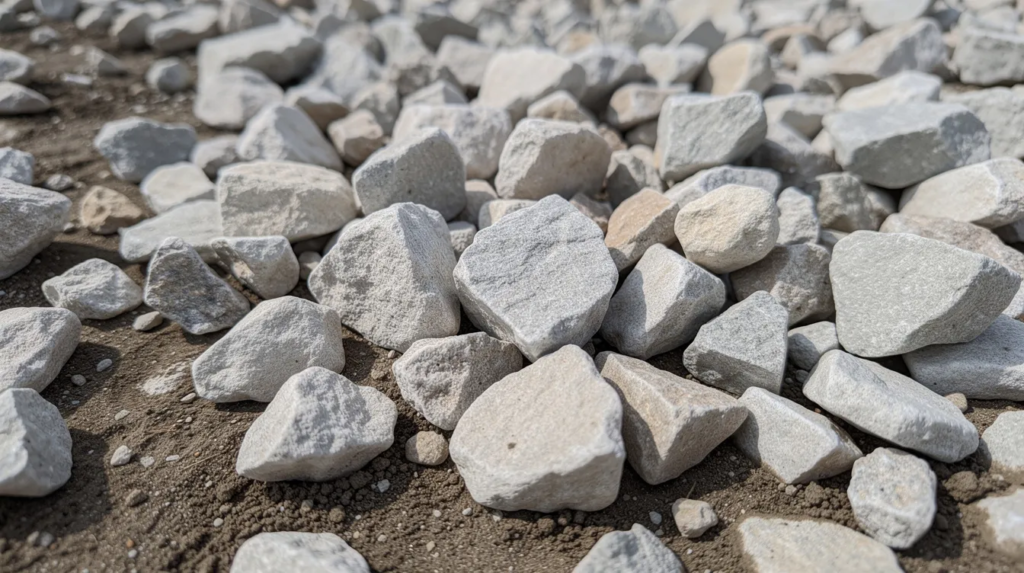
Clean stone is crushed stone or gravel that has had most of the fine material-dust, sand, silt, and tiny particles-removed through screening or washing. What remains is usually separate stone pieces — often angular if the material is crushed stone — with open void space between them. That void space is the whole point: it allows water and air to pass through freely, which is why clean stone shows up in drainage work, pipe bedding, and landscape beds where moisture needs to move.
Clean stone is not one universal product. The size, rock type, shape, density, color, and local name all vary by supplier and region. One yard may sell “3/4 clean stone,” another calls it “3/4 crushed gravel” or “#57 clean,” and a third labels it “3/4 drainage stone.” Common sizes include 3/4 inch clean stone (often #57 stone), 1 to 1½ inch drainage stone for deep trenches, and pea-sized clean gravel for walkways. The natural stone itself can be limestone, granite, trap rock, or river rock, and appearance differs from quarry to quarry. This guide focuses on outdoor project planning-driveways, drainage, patios, walkways-rather than interior countertop or tile care.
Clean Stone vs “With Fines” (Crusher Run, Road Base & Minus Gravel)
The first step in choosing materials is understanding fines. Fines are the stone dust and tiny particles under about 1/8 inch that fill voids between larger pieces. Clean stone has very few fines; crusher run, road base, and “minus” gravel intentionally keep them.
Clean stone drains better because the open voids let water flow quickly-ideal around perforated pipe, foundation walls, and French drains. Crusher run and 3/4 minus materials like 22A gravel compact better because fines lock the rock together, creating a firm surface for driveways, shed pads, and patio bases. For example, 3/4 clean stone or #57 stone is generally placed around French drain pipe, while 3/4 minus or crusher run forms the base layer under an asphalt or concrete driveway. Clean stone is not automatically better; the right choice depends on soil conditions, drainage needs, frost exposure, traffic load, and local engineering recommendations.
Common Clean Stone Sizes & Names (Including 3/4 Inch Clean Stone)
Suppliers use different numbering systems-#57, #67, #8-so always confirm the exact size and gradation with your local yard. Typical clean stone sizes include 3/4 inch clean stone (also sold as 3/4 crushed rock, 3/4 gravel, or 3/4 driveway stone), ½ to 3/8 inch pea gravel for walkways and decorative beds, and 1 to 1½ inch clean drainage stone for deep trenches. The 3/4 inch size, sometimes called 3/4 inch gravel or 3/4 inch clean stone, is one of the most common for residential drainage and some driveway topping layers.
Angular crushed gravel interlocks and resists shifting; rounded river rock looks smooth and decorative but moves more easily underfoot. Limestone gravel is common in the Midwest and South, while granite or trap rock dominates in New England. Because density and coverage vary by rock type, always ask your supplier for a weight-per-cubic-yard figure for the specific product you are ordering.
Best Uses for Clean Stone: Drainage, Landscaping & Walkways
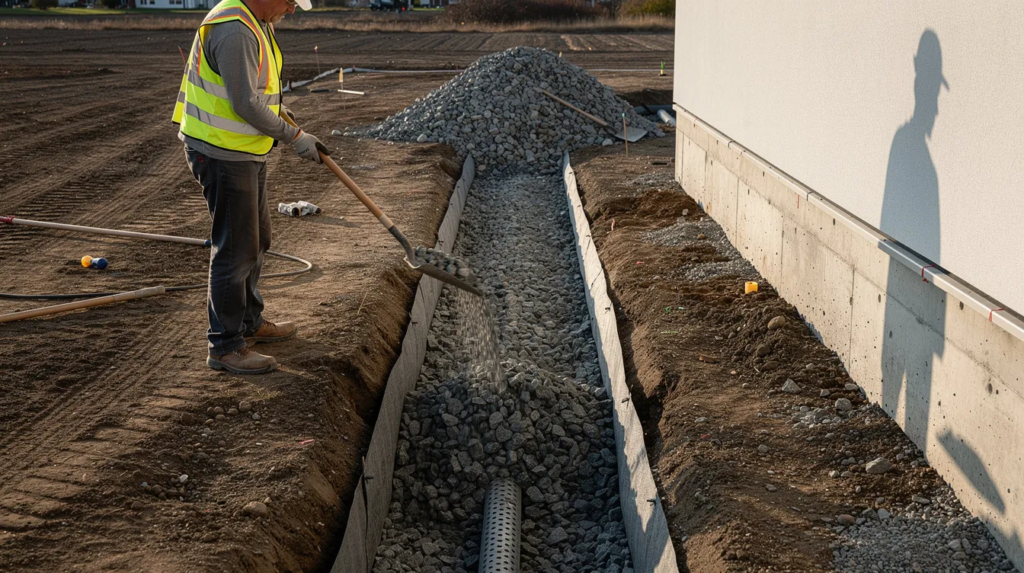
Clean stone is ideal where drainage and air space matter more than tight compaction. In French drains and drainage trenches, 3/4 inch or 1½ inch clean gravel is placed around perforated pipe-often wrapped in geotextile fabric-to move water away from foundations and wet yards. Around footing drains and exterior basement walls, this free-draining material reduces hydrostatic pressure and helps protect concrete and block foundations from moisture damage.
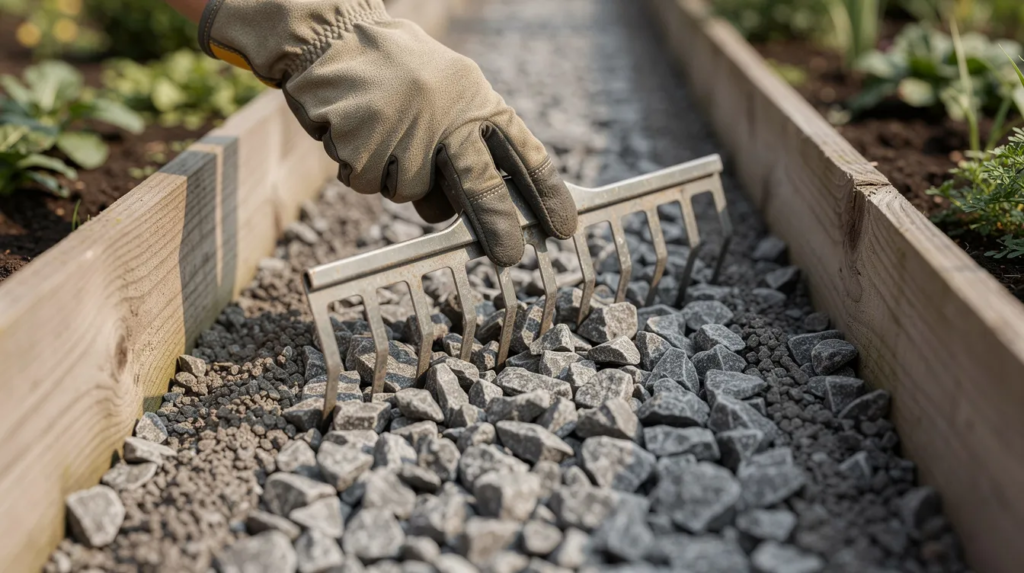
Surface swales and dry creek beds lined with clean stone slow, direct, and infiltrate stormwater across a yard. In landscaping beds, clean stone mulch under shrubs suppresses weeds (especially over fabric), resists debris buildup, and handles moisture better than organic mulch in some climates. For walkways and garden paths, pea gravel or small 3/8 to ½ inch clean stone with edging creates a comfortable surface-though rounded pea gravel feels softer underfoot than angular crushed gravel, it can shift more.
Clean stone is sometimes used as a top dressing on driveways over a compacted base, particularly where fast drainage matters. However, this type of surface alone may rut or shift under vehicle traffic, so for long gravel driveways a layered approach with a compacted base underneath is usually better.
When Clean Stone Is Not Enough: Bases for Driveways, Patios & Shed Pads
Structural base layers usually need compaction, which means gravel with fines rather than clean stone alone. A typical driveway cross-section starts with subgrade soil preparation, then 4–8 inches of crusher run or 3/4 minus gravel compacted in lifts, followed by an optional surface layer of clean gravel, asphalt, or concrete. Patios, pavers, and shed pads follow similar logic: compacted crusher run for stability and frost resistance, sometimes topped with a thinner layer of clean gravel or sand for leveling.
Building any of these with only clean stone can lead to shifting, ruts, or settlement. Always ask your local building department or an experienced contractor what local standards and soil conditions require. Crushed Stone Calculator also publishes guides on crusher run and patio bases for readers still deciding between clean stone and minus materials.
Estimating Clean Stone Quantities with CrushedStoneCalculator.com
Quantity planning matters because clean stone is sold by the cubic yard or ton, and ordering wrong costs time and money. On CrushedStoneCalculator.com, enter your project’s length, width, and depth, then select a material type close to what your supplier offers-3/4 clean gravel, #57 stone, limestone gravel, granite gravel, pea gravel, or a custom density.
The calculator returns estimated cubic yards, cubic feet, and US tons, plus an optional cost estimate if you enter a local price. A waste factor of 5–10% helps cover uneven ground, spreading loss, minor settling, and small measuring differences. Keep in mind that densities are planning-level only; actual weight per cubic yard changes by stone type, moisture, and source quarry. Take the output to a local supplier to confirm tonnage, truck capacity, and delivery minimums before placing an order.
Cost, Weight & Coverage: What Affects Clean Stone Budgets
Prices and weights are not fixed. Key cost drivers include rock type (limestone vs granite vs river rock), stone size (3/4 inch vs 1½ inch), local supply and demand, pickup vs delivery, delivery distance, truck size, fuel surcharges, and minimum load fees. A typical cubic yard of clean stone may weigh roughly 1.2–1.7 US tons depending on the minerals, density, and moisture content. Material-only prices for common #57 clean stone may fall in the range of $35–$65 per ton in some U.S. markets, though local pricing varies and delivered small orders can run much higher. Shallow layers of 2–3 inches may work for decorative landscaping, while deeper stone layers are common in drainage trenches and some engineered drainage systems.
Driveway base depth depends on soil, traffic, drainage, and whether the base uses compactable material with fines. Use the Crushed Stone Calculator for an initial estimate, then call at least two local gravel suppliers for delivered cost quotes and ask about any extra small-load or tailgate spreading fees.
Basic Care, Cleaning & Safety Around Clean Stone
Outdoor clean stone surfaces need occasional maintenance. Rake and re-level loose 3/4 clean stone in driveways or parking areas after freeze-thaw cycles. Use a leaf blower, broom, or clean rag mop on adjacent hard surfaces to remove leaves, dirt, and light debris from pea gravel paths. Periodically top up thin areas where stone migrates, and wipe down any metal or plastic edging to prevent streaks or green moss buildup.
Related Note: Cleaning Natural Stone Surfaces Near Gravel Areas
This guide is mainly about clean stone aggregate, but some projects also include natural stone pavers, patio surfaces, steps, walls, floors, tile, or outdoor kitchen areas near the gravel. Those natural stone surfaces need different care than loose gravel. For daily stone cleaning, remove dirt, dust, sand, leaves, and debris with a broom, clean rag mop, soft cloth, sponge, or clean water rinse.
Avoid acidic cleaners such as vinegar, lemon juice, acid cleaners, or other acids on calcareous stone like limestone or marble because they can etch the stone surface. A pH-balanced neutral cleaner, stone soap, or a few drops of mild non-acidic soap in warm water is usually safer for most stones when used according to the manufacturer’s directions. Blot spills quickly, rinse with clean water, and dry the surface with a paper towel or microfiber cloth to help prevent streaks and water spots. Avoid aggressive scrubbing, and use a soft-bristled brush only where needed, such as grout joints.
Sealing products can make natural stone more stain resistant, but they do not make stone stain proof. Periodic sealing may be required depending on stone type, density, porosity, and usage; a simple water-beading test can help show whether a surface may need resealing. Use non-toxic sealers around food-prep areas and follow the sealer manufacturer’s directions.
For deep cleaning, stains, rust, moss, green buildup, polishing, baking soda, hydrogen peroxide, oxygenated bleach, ammonia, quartz, granite, engineered stone, or poultice stain removal, follow the product label or contact a stone-care professional before applying cleaning products. Different materials react differently, and the wrong cleaner or combination can scratch, stain, discolor, or damage the surface. Use cutting boards and trivets around outdoor kitchen surfaces to help prevent scratches and heat damage.
Safety reminders: wear gloves, boots, and eye protection when spreading or raking clean stone. For landscape beds, use suitable landscape fabric where weeds are a concern; for drainage projects, follow the drainage design or contractor recommendation. Be careful on loose gravel slopes, which can shift underfoot and scratch skin.
Working with Local Suppliers & Next Steps
Product names and specs vary, so clear communication with a local stone yard is essential. Ask for the exact product name, request gradation information, and confirm whether the stone is truly clean or includes some fines. Visit the yard to inspect sample piles of 3/4 gravel, pea gravel, and larger drainage stone before committing to a full truckload. Use the quantity from CrushedStoneCalculator.com as a starting point, then adjust based on the supplier’s stated density and recommended depth for your specific project. Document the chosen material-size, type, local name-and date of purchase so future top-ups match.
This type of stone is a versatile, drainage-friendly material, but the best results come from matching the right stone to the right job, using realistic quantity estimates, and following local expert advice. Start with the Gravel Calculator to get your planning numbers, then contact your nearest supplier to confirm details and place your order.
Pingback: The Essential Guide to Sizes of River Rock for Your Landscaping Needs