Table of Contents
If you’re planning a driveway, parking pad, or patio base, understanding the crusher stone price before you order can save you hundreds of dollars. This guide covers what crusher run costs in 2025–2026, what drives those costs up or down, how to estimate the right quantity, and what to ask your local supplier so you don’t overpay or run short.
Key Takeaways
- Crusher run (crush and run, quarry process) typically costs about $20–$40 per ton for standard base material across most U.S. markets, though crushed stone prices range from $10 to $50 per ton depending on rock type, region, and order size.
- Converted to volume, expect roughly $35–$55 per cubic yard for crusher run, since it weighs about 1.4–1.6 tons per yard.
- Delivery frequently adds $5–$30 per ton depending on distance from the quarry, with local delivery adding $50 to $150 on top of the material cost for small residential loads.
- Total project cost depends on your driveway or patio dimensions, depth in inches, local quarry pricing, and whether you choose crusher run, recycled crushed concrete, or another road base blend.
- All prices here are estimates for U.S. markets in 2025–2026. Confirm pricing with a local supplier before ordering, and use our Crushed Stone Calculator to convert your project dimensions into cubic yards, tons, and estimated total cost.
What Is Crusher Stone / Crushed Stone / Crusher Run?
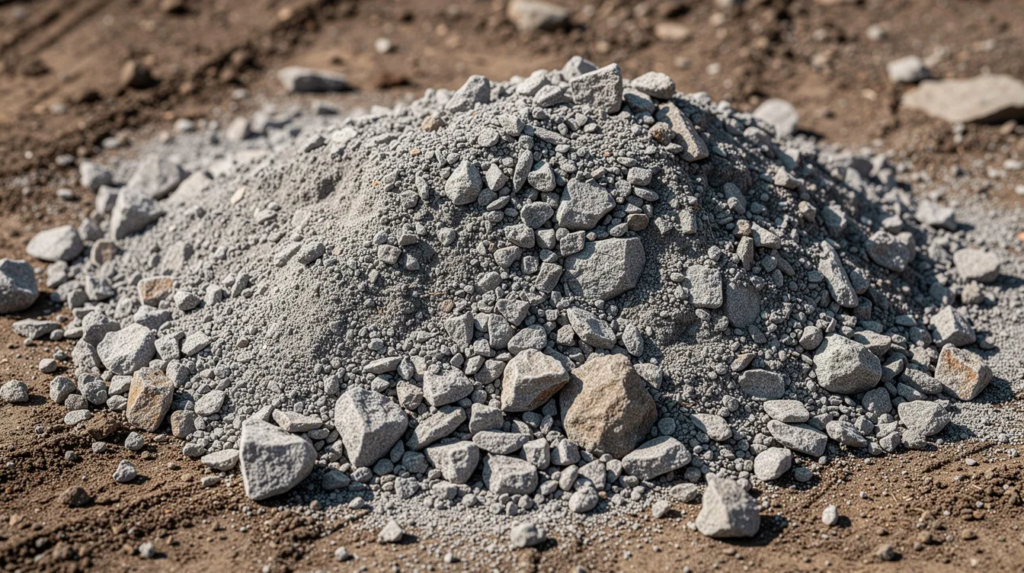
Crusher stone – also called crusher run, crush and run, quarry process, or dense grade aggregate – is a mixture of crushed stone fragments and fine stone dust designed to compact into a solid, load-bearing base. Stone dust is a fine byproduct of crushing stones, and when blended with angular stone pieces up to about ¾” or 1″ (similar to 1/2-inch to 1-inch crushed stone mixed with fines), it locks together tightly under compaction.
Common types of crushed stone used for crusher run include limestone and granite, though trap rock and sandstone appear in some regions. Color and texture vary by quarry and local geology.
Crusher run is used across both residential and commercial applications, including:
- Driveway base and road base
- Parking pads, shed pads, and construction pads
- Base layer under pavers and patios
- Walkways and compacted base layers
- Grading, leveling, and erosion-prone areas
- Temporary roads and construction pads
Crusher run is useful for driveways and parking areas because the fines help create stability under load. This sets crusher run apart from single-size materials like #57 crushed stone, pea gravel, or clean crushed granite, which do not contain as much stone dust and therefore don’t compact as firmly.
Crusher Stone Price in 2025–2026 (Per Ton, Yard & Square Foot)
The following prices are typical U.S. estimates for 2025–2026. They vary by region, rock type, and supplier, so always verify locally. Crusher stone is usually sold by the ton or by the cubic yard.
| Unit | Typical Range | Notes |
|---|---|---|
| Per ton (bulk) | $20–$40 | Common material-only range before delivery in many areas |
| Per ton (commercial bulk) | $15–$30 | Typical commercial bulk pricing for base material |
| Per cubic yard | $35–$55 | Based on ~1.4–1.6 tons per yard density |
| Per cubic yard (retail/small qty) | $40–$75 | Single-cubic-yard retail prices at landscape yards |
| Per square foot (4″–6″ deep) | $0.50–$2.00 | Material only, no delivery or labor |
Small quantities from landscape yards or bagged products can effectively cost well over $100 per ton compared with bulk deliveries. If your project needs more than a few cubic yards, bulk delivery is almost always more cost effective.
For a broader look at aggregate pricing across stone types and U.S. regions, see our Crushed Stone Cost Per Ton 2026 guide.
Crusher Run vs Other Base Materials (Cost Comparison)
Crusher stone pricing only makes sense when you compare it against alternatives. Here’s how common base and surface materials stack up in 2025–2026:
| Material | Typical Cost Per Ton | Best For |
|---|---|---|
| Crusher run / road base | $20–$40 | Driveways, road base, compacted sub-base |
| Recycled crushed concrete | $10–$30 | Budget driveways, parking pads |
| Crushed limestone base | $18–$35 | General base, paver bedding |
| Clean #57 stone | $25–$50 | Drainage, top layer, French drains |
| Pea gravel (3/8″ beige crushed pea stone) | $30–$55 | Landscaping projects, decorative fill |
| River rocks | $50–$150+ | Decorative borders, dry creek beds |
Concrete recyclers provide recycled concrete aggregate at lower prices than virgin crusher run, but quality can vary. Recycled asphalt is ground up asphalt mixed with stone dust – another budget option, though not suited for every project.
Crusher run is usually the most economical choice when compaction and strength matter more than appearance, such as under driveways, concrete slabs, or patios. Clean crushed stone or French drain gravel works better for drainage layers. Decorative pea gravel, river rocks, or crushed granite for exposed surfaces typically costs more per ton. Both 3/4-inch stone and 1 1/2-inch stone can be made from limestone, granite, traprock, or other local rock types depending on the quarry. For driveway projects, stone size, gradation, drainage, and compaction matter more than the rock name. See our guide to different driveway layer applications for how #3 stone, #57 stone, #411 stone, and crusher run are used in driveway layers.
3/8″ beige crushed pea stone is ideal for landscaping and decorative surfaces but lacks the stability of crusher run for heavy loads. Finer processed materials generally cost more than basic crushed stone types because of extra screening and handling at the quarry.
What Affects Crusher Stone Price?
The crusher stone price you see on an invoice is shaped by location, material type, quantity, and delivery logistics. Material costs for crushed stone vary based on type and grade. Here are the main cost drivers:
- Distance from the quarry: Transportation costs significantly impact the total price of crushed stone. Local quarries are the lowest-cost source for crushed stone, and every extra mile adds cost. Comparing limestone vs granite gravel can also reveal regional price differences tied to rock availability.
- Rock type and gradation: Limestone crusher run tends to be cheapest where limestone quarries are plentiful. Crushed granite and trap rock cost more to process. Gradation (fines content, ¾-inch minus vs larger blends) also moves the price.
- Order size: A full truckload of 10–20 tons typically gets a better rate per ton than a 2–3 ton delivery. Volume discounts can reduce commercial pricing by 30–50% on large orders.
- Seasonal demand: Spring and summer construction rushes tighten supply and push prices higher. Winter slowdowns may produce lower quotes.
- Local competition and regulations: Areas with many gravel pits and quarries keep pricing competitive. Regions with limited supply, tighter environmental rules, or permit fees see higher costs.
Delivery, Hauling & Truckload Costs
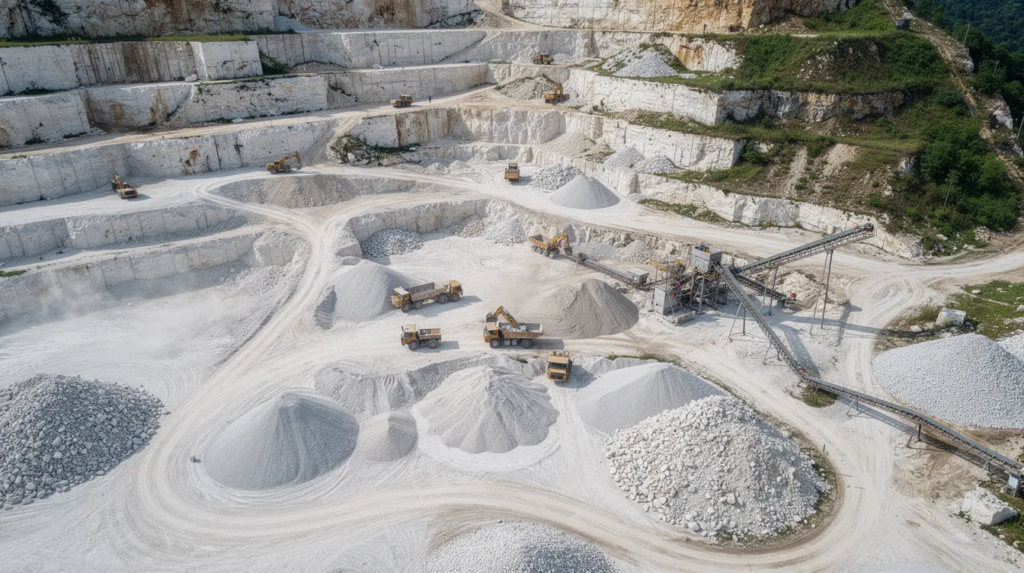
For most homeowners, delivery and hauling can rival the crusher stone price per ton itself. Aggregate suppliers offer delivery to job sites for crushed stone, but the fees vary widely. Bulk delivery requires heavy-duty dump trucks, and hauling costs add $5–$30 per ton depending on distance.
Here’s what to expect:
- Delivery fees for crushed stone typically range from $100 to $250 per load, or a flat fee within a base radius (often 10–15 miles).
- Many suppliers charge distance fees for deliveries beyond the local service zone, often $5–$15 per additional mile.
- Standard dump trucks carry about 10–14 tons; tandem or tri-axle trucks handle 14–22 tons. Ordering a full truckload reduces per-ton cost.
- Most quarries require minimum order volumes for crushed stone. Split or short load fees may apply for orders less than a specific minimum amount (often 3–5 tons).
- Waiting fees may apply if offloading exceeds the allotted time, especially on tight residential sites.
- Weekend or difficult-access deliveries often carry surcharges.
One Carolina supplier offers granite crusher run at $55/ton with free delivery on orders of 15+ tons. Meanwhile, Oklahoma county bid pricing shows crusher run at just $9–$13/ton for pickup. The gap shows how much location and delivery logistics matter.
How to Estimate How Much Crusher Stone You Need
Mis-estimating quantity is the easiest way to waste money on crusher run – either by under-ordering (and paying a second delivery fee) or paying for material that sits unused in your yard.
Follow these steps:
- Measure your driveway, patio, or walkway length and width in feet.
- Choose a compacted depth: 4 inches for walkways and light-traffic areas, 6–8 inches for driveways or heavy use.
- Convert depth from inches to feet (divide by 12).
- Calculate cubic feet: length × width × depth in feet.
- Convert to cubic yards: divide cubic feet by 27.
- Convert to tons: multiply cubic yards by 1.4–1.6 (typical crusher run density).
- Add 5–10% for waste, compaction loss, and site irregularities.
Or skip the math entirely – use our Crushed Stone Calculator to automate every step, add a waste factor, and plug in your local per-ton price to see an estimated total cost.
Example Cost Estimates for Common Home Projects
These rounded examples use mid-range 2025–2026 pricing to show how crusher stone price translates into real project budgets. Adjust with your local per-ton prices using our calculator.
Single-car driveway (12′ × 50′, 6″ deep)
- Volume: ~11 cubic yards → ~17–18 tons
- Material at $25/ton: ~$425–$450
- Delivery (local): ~$100–$150
- Estimated total: $525–$600
Shed pad or parking pad (10′ × 20′, 6″ deep)
- Volume: ~3.7 cubic yards → ~5.5–6 tons
- Material at $28/ton: ~$155–$170
- Delivery (small load): ~$75–$125
- Estimated total: $230–$295
Patio base (12′ × 12′, 4″ crusher run + 1″ stone dust)
- Crusher run volume: ~1.8 cubic yards → ~2.5–2.9 tons
- Material at $25/ton: ~$65–$75, plus stone dust layer (~$20–$30)
- Delivery: ~$75–$100
- Estimated total: $160–$205
Every estimate above is just a starting point. A proper gravel driveway installation may also involve soil removal, subgrade preparation, and edging that add labor costs beyond the material and delivery.
Crusher Run Quality, Compaction & Long-Term Value
The cheapest crusher stone price is not always the best value if the material has poor gradation or inconsistent moisture content. Here’s what to look for:
- Good mix of fines and stone: A quality crusher run blend should have enough fine stone dust to fill voids and enough larger angular stone to create interlock. Too many fines can hold moisture and cause soft spots.
- Consistent moisture: Material that’s bone-dry won’t compact well; overly wet material is difficult to spread and can shift.
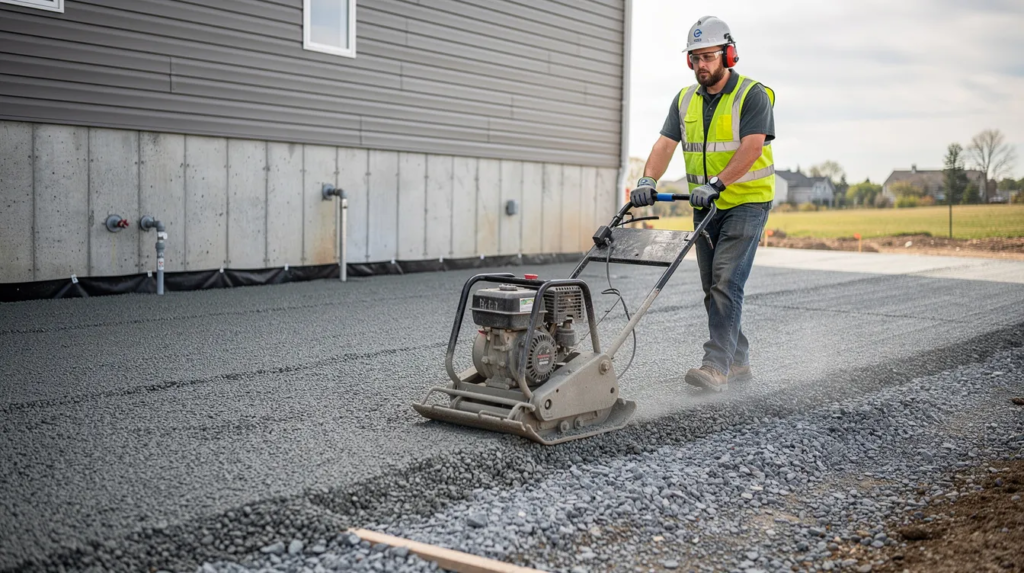
- Proper installation matters more than saving $3/ton. Layering, moistening, and compacting with a plate compactor or vibratory roller produce a durable base that resists ruts and washouts for years.
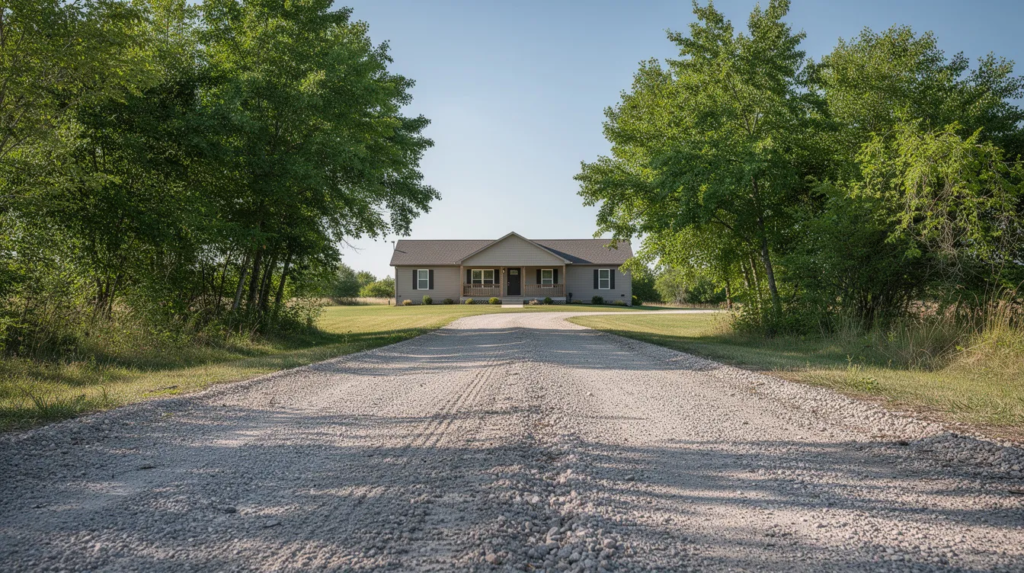
A well-compacted crusher run base under a thin layer of clean stone, pea gravel, or asphalt can dramatically extend the life of driveways and hardscaping projects. Before buying, ask suppliers how their crusher run compares with alternatives like Class 5 gravel, SB2 road base, or local DOT-approved base materials. The right mix and density create stability that saves money on future maintenance.
Using a Crusher Stone or Crushed Stone Calculator Before You Call a Supplier
Our Crushed Stone Calculator is designed to help U.S. homeowners and small contractors plan crusher run projects confidently. Before you call for a quote, have these inputs ready:
- Project dimensions: length, width, and desired depth
- Project type: driveway, patio, walkway, or road base
- Local price: a rough per-ton or per-yard number from a supplier quote
The calculator outputs cubic yards, tons, optional bag counts, and an estimated cost range – including a recommended waste factor to reduce the risk of running short. It uses typical densities for crusher run and related aggregates, but note that final tonnage can vary by quarry moisture content and compaction on site.
Print, save, or screenshot your results and use them as a starting point when comparing quotes. Having a clear estimate of your stock quantity before ordering helps contractors and homeowners avoid surprises.
Questions to Ask Your Local Supplier About Crusher Stone Price
Asking a few specific questions can prevent invoice surprises and ensure you order the right material type for your project. Search “crushed stone quarry near me” to find local suppliers, then ask:
- What is your per-ton or per-yard price for crusher run, and does it include delivery to my ZIP code?
- What is the minimum order amount? Are there split or short load fees?
- Do prices differ for recycled crushed concrete versus virgin crushed stone base?
- What delivery distance is included? What are per-mile surcharges beyond that zone?
- What is the truck capacity, and what are the delivered prices for a full truckload versus a partial load?
- What is the stone size range and fines content? Does the mix meet local driveway or road base standards?
- What are your payment terms, scheduling lead time (especially in peak season), and available alternatives if crusher run is out of stock? Can you recommend a different gradation or stone dust blend if needed?
Confirming these details upfront helps you produce an accurate budget and avoid paying for the wrong material. Knowing your quantity estimate beforehand (from our calculator) gives you leverage to compare quotes and fill your project needs without overspending. It also helps to ask about forming a delivery schedule if your project requires multiple loads.
Beyond aggregate, some suppliers also carry related items like mulch, dirt, topsoil, sand, brick, and rebar for broader construction and landscaping needs, so you may be able to consolidate delivery trips and save on hauling.
FAQ: Crusher Stone Price & Ordering
Is crusher run cheaper than pea gravel or decorative stone?
Yes. Crusher run is usually among the cheapest functional base materials per ton because it’s a standard road base product that requires minimal washing or sorting. Pea gravel, river rocks, and colored crushed stone cost more due to extra processing and aesthetics. If you need a decorative top layer for landscaping, spaces around trees, or garden paths, budget for a separate finish material on top of your crusher run base.
Can I use recycled crushed concrete instead of crusher run to save money?
Recycled crushed concrete base often costs slightly less per ton than virgin crusher run and works well for driveways and parking areas. However, quality varies by source-some batches contain rebar fragments, excess soil, or inconsistent gradation. Confirm with the supplier that the material compacts well, meets local standards, and is free of contaminants before committing to a large order.
How often will I need to add more crusher stone to my driveway?
A properly installed crusher run driveway base can last many years. Most maintenance involves occasional top-offs or grading every few years depending on traffic volume, climate, and drainage conditions. Heavy rain, steep slopes, and poor initial compaction are the main reasons homeowners need to deliver additional material sooner. Proper depth and compaction from the start are the best ways to reduce long-term cost.
Is it better to buy crusher stone by the yard or by the ton?
Most bulk suppliers price crusher run by the ton, while some landscape yards sell by the cubic yard. To compare quotes fairly, convert everything to a per-ton cost. Remember that crusher run typically weighs about 1.4–1.6 tons per cubic yard, so a $50/yard quote equals roughly $31–$36/ton. Our calculator handles this conversion automatically.
Can I haul crusher run myself instead of paying for delivery?
Small trailer or pickup loads can work for minor repairs, but crusher run is heavy – a single cubic yard weighs roughly 2,400–2,600 pounds. Multiple trips, vehicle payload limits, and rental truck costs often make a single professional delivery more economical and safer for full driveway or patio projects. For a business that regularly handles small jobs, owning or renting a suitable trailer may eventually pay off, but for most residential one-time projects, professional delivery is usually the smarter choice when estimating total project cost.